Not all olive oils are created equal. The quality of an olive oil depends on the condition of the olives, how quickly they are processed, the methods used to extract the oil, how the finished oil is stored, and whether it meets established chemical and sensory standards.
At Cento, quality is never determined by the label alone. Our olive oils must successfully complete a detailed review and testing process before they are approved for bottling under Cento and our family of brands.
Before any Cento Extra Virgin Olive Oil is bottled, Cento Quality Assurance requires independent third-party testing from a qualified European laboratory. This testing verifies that the oil meets the strict requirements established for its grade and confirms that the oil is authentic, properly classified, and suitable for bottling.
Cento Extra Virgin Olive Oil is tested in accordance with standards established by the International Olive Council, commonly known as the IOC. The IOC develops internationally recognized standards for olive oils and olive-pomace oils, including requirements for product identity, purity, chemical composition, flavor, aroma, and labeling.
Once the oil has passed the required laboratory testing, it is reviewed by Cento Quality Control. Flavor, aroma, balance, consistency, and performance are evaluated before the oil is approved to be packed under one of our brands. This additional review helps ensure that the finished product meets both international requirements and Cento’s own expectations for quality.

The International Olive Council is the world’s only international intergovernmental organization in the field of olive oil and table olives. The IOC seeks to promote the international trade in olive products, part of which it does by establishing and ensuring adherence to grading standards for those products.
The NAOOA is a not-for-profit trade group of olive oil marketers in North America. Their mission is to promote the consumption of all types of olive oil by communicatingolive oil’s health benefits, flavors and culinary versatility.Their members are committed to meeting or exceeding the standards set by the International Olive Council (IOC). Representing more than two-thirds of the olive oil consumed in the USA and Canada.
“Extra virgin” is not simply a marketing term. It is the highest recognized grade of virgin olive oil and must meet specific chemical and sensory requirements.
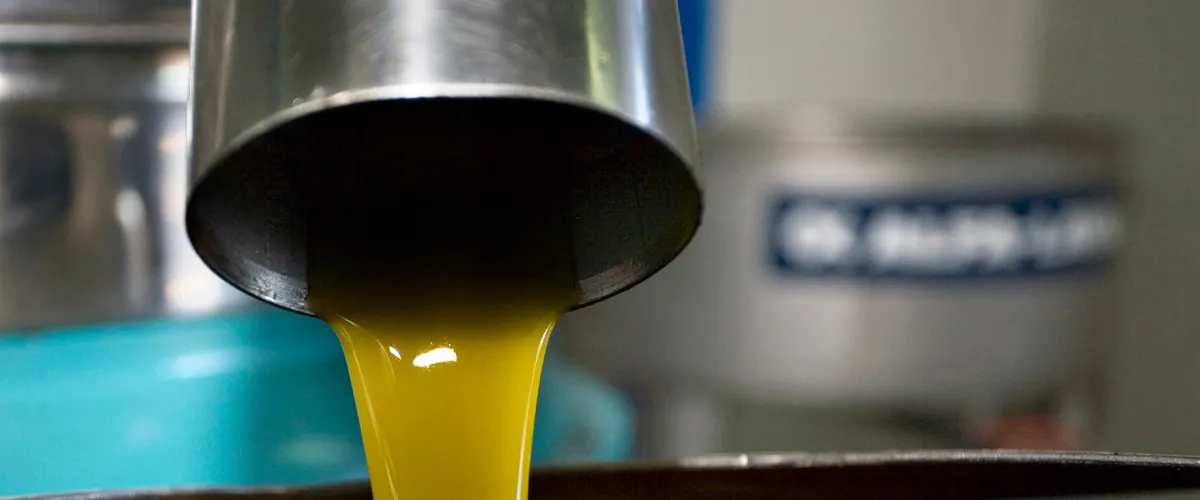
Virgin olive oils are produced directly from olives using mechanical or other physical methods. The oil cannot undergo refining or treatments that alter its natural composition. Permitted processes include washing, crushing, mixing, separating, decanting, centrifuging, and filtering.
To qualify as extra virgin olive oil under current IOC and USDA standards, an oil must have:
Extra Virgin Olive Oil is a primary component of Italian cuisine, whether used in your grandmother’s kitchen or the finest restaurants throughout Italy. Olive oil is one of the most essential and versatile ingredients in the world of cooking. Although it is used so frequently by so many different people, many people are still unaware of what makes this product so significant. In order to fully appreciate EVOO, one must understand its unique production process and various health benefits.
Extra virgin olive oil is produced from olives at a specific stage of maturity, and olives are picked from their trees at various stages of maturity based on the type of olive oil being produced. The earlier olives are picked in the maturing process, the more “bite” they yield in the oil. Olives must be harvested in warm seasons, otherwise they can freeze.
Although it is an oil, EVOO stands out amongst the rest of the “oil family” because of the variety of health benefits offered from consuming olive oil. Olive oil is high in monosaturated fats, which have a positive effect on the body’s cholesterol levels. Extra virgin olive oil offers anti-inflammatory benefits and consumption of EVOO has been linked to a decreased risk of heart disease and certain types of cancer, including breast cancer and digestive tract cancer. For these reasons, EVOO can, in fact, be considered healthy. With its unique production and multiple health benefits, extra virgin olive oil is a remarkable product that shouldn’t be overlooked and underappreciated simply because it is used every day.
Bottle To Branch is Cento’s commitment to bringing transparency and traceability to every bottle of participating olive oil. By entering the lot code found on your bottle, you can discover the Italian grove connected to your product and learn more about the regions where the olives were grown. This program helps connect consumers to the origins of their food while reinforcing our dedication to authenticity, quality, and responsible sourcing.
Packaging, nutrition facts and ingredient statements are
subject to change. For the most up to date information
regarding a product, please refer to the product’s packaging.