Monounsaturated Fats
Olive oil provides monounsaturated fats that can support a heart-conscious eating pattern when they replace saturated fats.
Olive oil has been a cornerstone of Mediterranean and Italian cooking for thousands of years. Celebrated for its rich flavor, versatility and nutritional value, it remains one of the most widely used ingredients in kitchens around the world.
Whether drizzled over fresh vegetables, used as a finishing oil for pasta or incorporated into everyday cooking, olive oil adds depth and character to countless dishes.
Produced from the fruit of the olive tree, olive oil undergoes a carefully controlled extraction process designed to preserve its natural flavor, aroma and beneficial nutrients. Understanding how it is made and why it plays an important role in Mediterranean eating helps explain its enduring popularity.
Unlike many commonly used cooking oils, extra virgin olive oil is produced through mechanical processes rather than chemical extraction, helping preserve the natural character of freshly harvested olives.
Extra virgin olive oil is the highest grade of olive oil. It is obtained directly from olives using mechanical methods, without chemical solvents, and must meet specific quality standards.
Careful extraction helps retain naturally occurring antioxidants and other compounds that contribute to extra virgin olive oil's distinctive flavor and nutritional character.
Olives are gathered from the trees and brought to the mill promptly to help protect their freshness and quality.
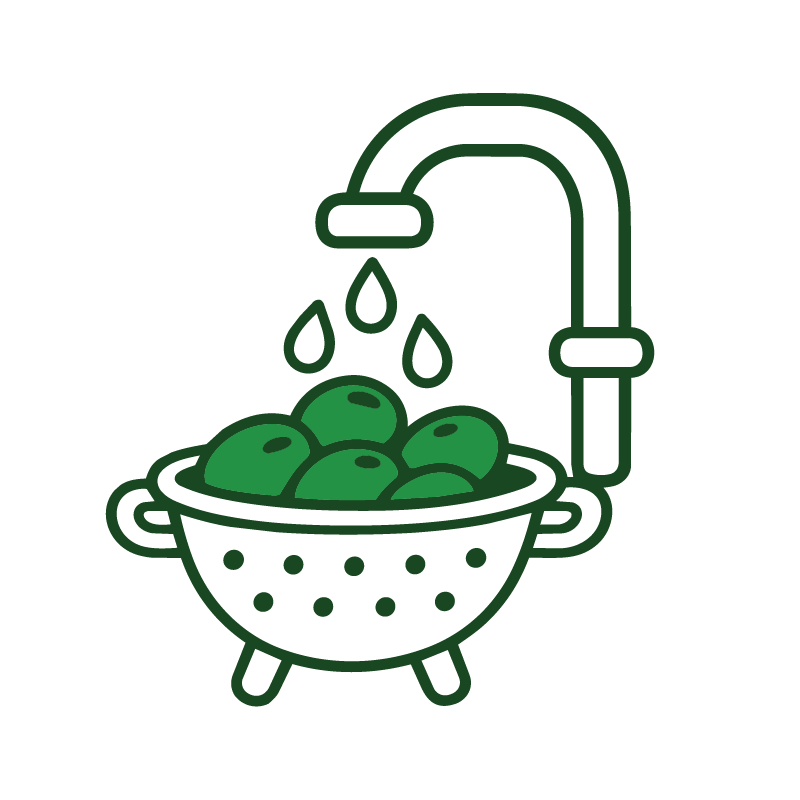
Leaves and twigs are removed, then the olives are washed to clear away dirt before milling.
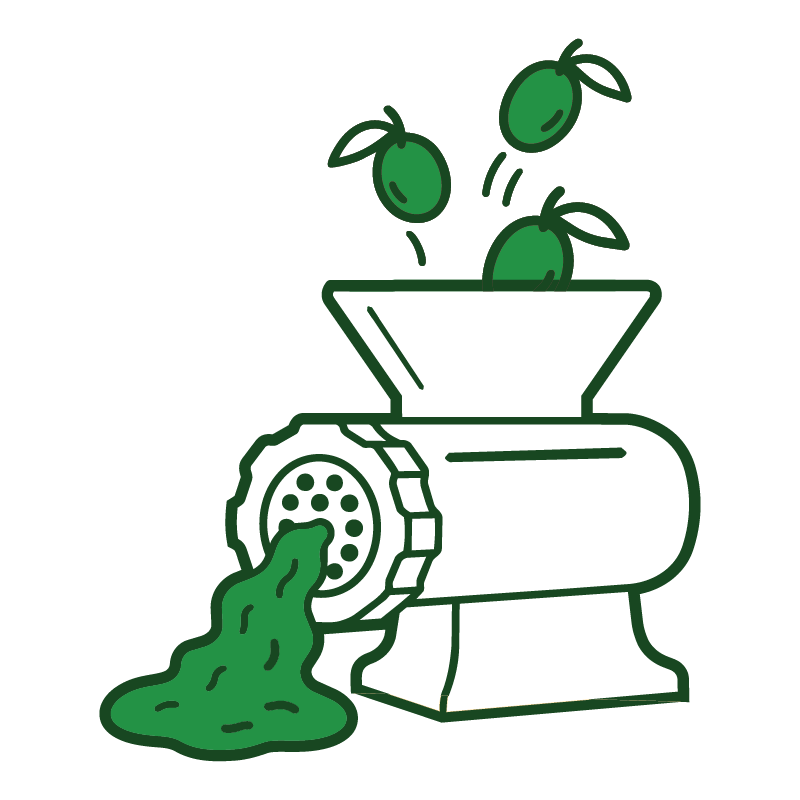
The olives are crushed into a paste and slowly mixed. Known as malaxation, this helps tiny oil droplets join together.
A centrifuge spins the paste to separate the oil from the water and solids through mechanical extraction.
THE OIL TAKES SHAPE
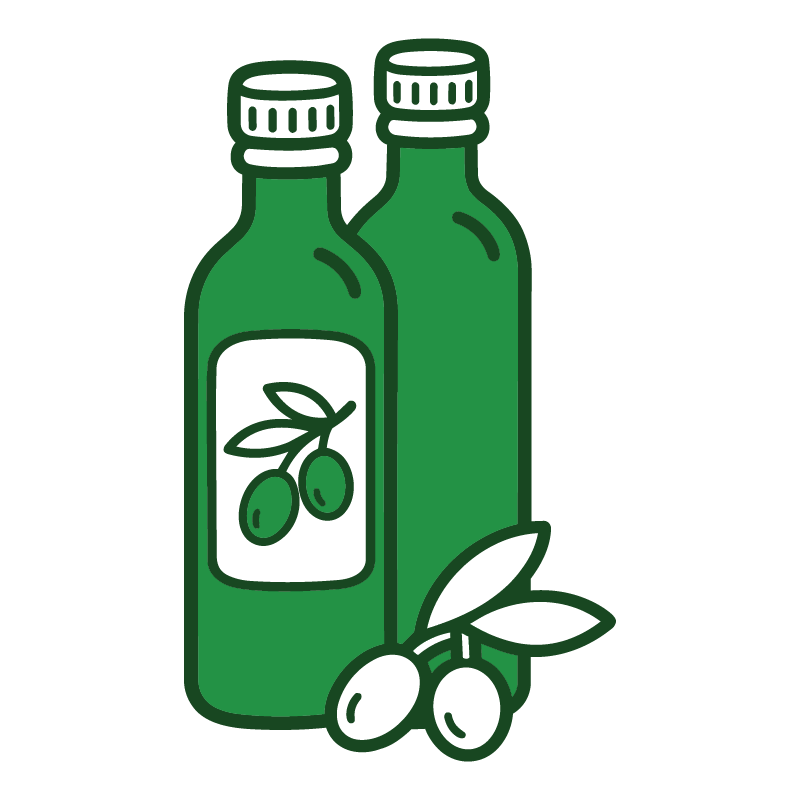
The oil may be filtered or allowed to settle, then stored under protective conditions until ready for bottling.
Olive oil is naturally rich in monounsaturated fats, often called healthy fats. When used in place of saturated fats as part of a balanced diet, these fats may help support healthy cholesterol levels.
Simple ingredient choices can play a meaningful role in building a balanced, heart-conscious diet.
One of olive oil's most recognized nutritional qualities is its high concentration of monounsaturated fatty acids. Replacing some sources of saturated fat with unsaturated fats can be part of a diet that supports healthy cholesterol levels.
Olive oil is also a familiar ingredient in Mediterranean-style eating, which emphasizes vegetables, fruits, whole grains, legumes, seafood and other nutrient-rich foods.
Research has associated Mediterranean dietary patterns with improved cardiovascular health. Olive oil can be one flavorful part of that overall eating pattern.
Olive oil provides monounsaturated fats that can support a heart-conscious eating pattern when they replace saturated fats.
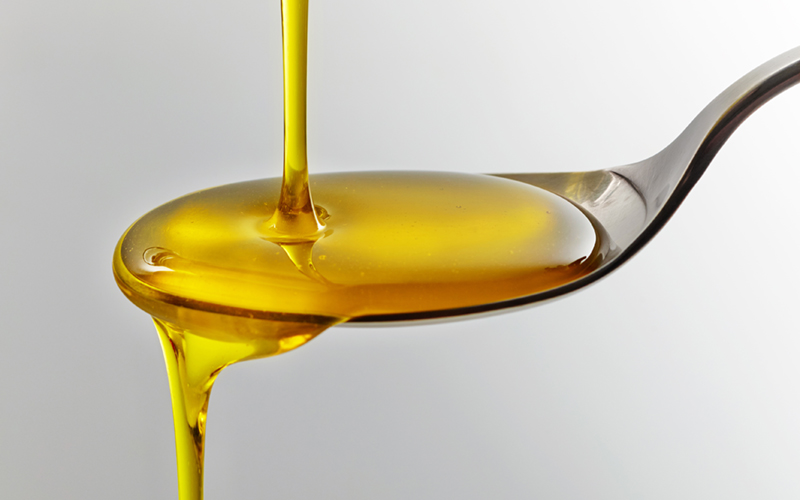
Using olive oil instead of some butter or other sources of saturated fat is a simple adjustment for everyday cooking.
Olive oil is a familiar ingredient in Mediterranean diets, which are associated with cardiovascular wellness when considered as a whole.
Extra virgin olive oil contains naturally occurring antioxidants and plant compounds that have made it one of the most studied foods in the Mediterranean diet.
Extra virgin olive oil provides naturally occurring antioxidants and plant compounds, including polyphenols, that contribute to its distinctive nutritional profile.
Along with its unsaturated fats, these compounds have made olive oil an important subject of research into Mediterranean dietary patterns and long-term wellness.
Beyond its nutritional qualities, olive oil brings rich flavor and flexibility to the kitchen. It can be incorporated into everything from everyday meals to traditional family recipes.
Use olive oil to sauté garlic, vegetables and other ingredients for flavorful everyday meals.
Toss vegetables and other ingredients with olive oil before roasting to enhance their natural flavor.
Combine olive oil with vinegar, lemon juice or herbs for fresh salads and homemade marinades.
Drizzle extra virgin olive oil over pasta, vegetables or bread to add flavor just before serving.
A Mediterranean kitchen essential. From fresh salads to family recipes passed down through generations, olive oil brings both flavor and versatility to the table.
Use these quick measurements when swapping olive oil for butter in cooking and many baked recipes.
When substituting olive oil for butter, a good general rule is to use about 3 parts olive oil for every 4 parts butter.
Great for small cooking adjustments and light sautéing.
A simple swap for pan cooking and quick recipes.
Helpful for muffins, quick breads and everyday baking.
A clean, easy conversion for smaller batch recipes.
Equal to one stick of butter in many common recipes.
A useful reference for larger baked recipes and batters.
Ideal when scaling up classic baked or savory dishes.
A quick reference for larger recipes and family-size cooking.
Helpful tip: Olive oil can be a great substitute for butter in many recipes, though it may slightly change the texture or flavor in some baked goods. It works especially well in cakes, muffins, quick breads, roasting, sautéing and everyday Mediterranean-style cooking.
From choosing the right oil to understanding its quality and place in everyday cooking, explore more of the world of olive oil.
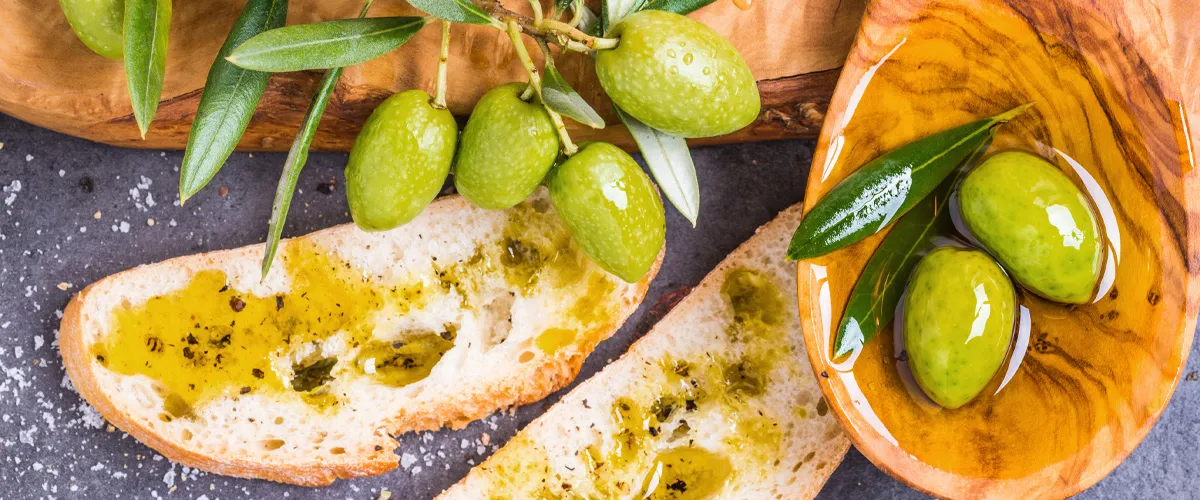
Discover the differences between extra virgin and classic olive oil, explore tasting and pairing tips, and learn how to keep your oil fresh.
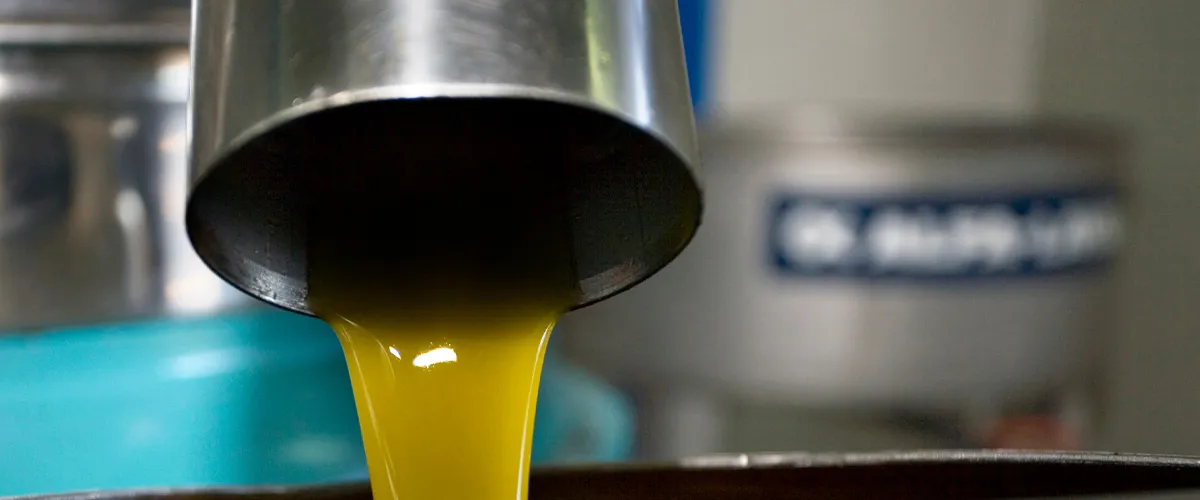
Learn how testing, international standards, and Cento’s quality review help verify the authenticity and quality of our olive oils.
Packaging, nutrition facts and ingredient statements are
subject to change. For the most up to date information
regarding a product, please refer to the product’s packaging.