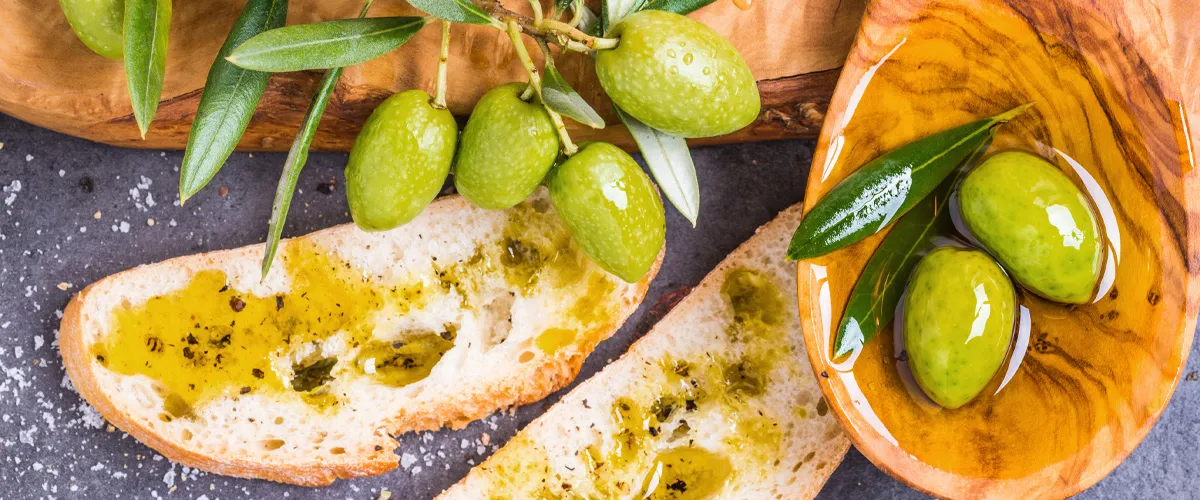
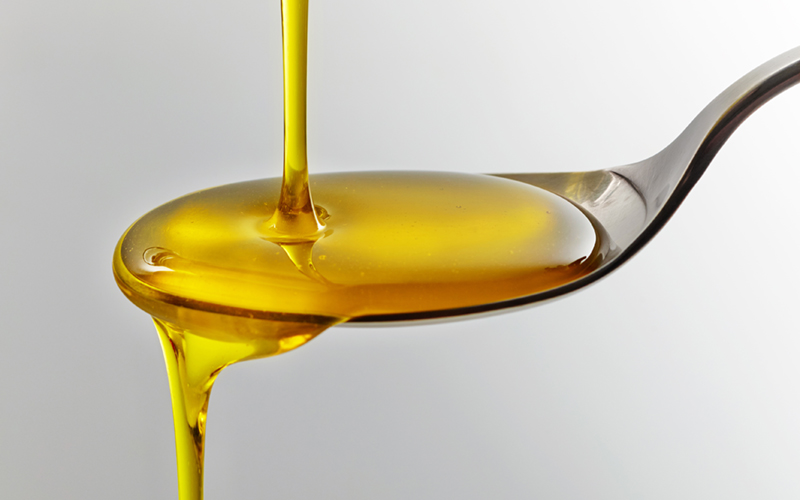
Golden olive oil being poured from a spoon
A MEDITERRANEAN TRADITION

Liquid Gold.

Olive oil has been a cornerstone of Mediterranean and Italian cooking for thousands of years. Celebrated for its rich flavor, versatility and nutritional value, it remains one of the most widely used ingredients in kitchens around the world.

Whether drizzled over fresh vegetables, used as a finishing oil for pasta or incorporated into everyday cooking, olive oil adds depth and character to countless dishes.

Produced from the fruit of the olive tree, olive oil undergoes a carefully controlled extraction process designed to preserve its natural flavor, aroma and beneficial nutrients. Understanding how it is made and why it plays an important role in Mediterranean eating helps explain its enduring popularity.

FROM OLIVE TO OIL

Natural Extraction.

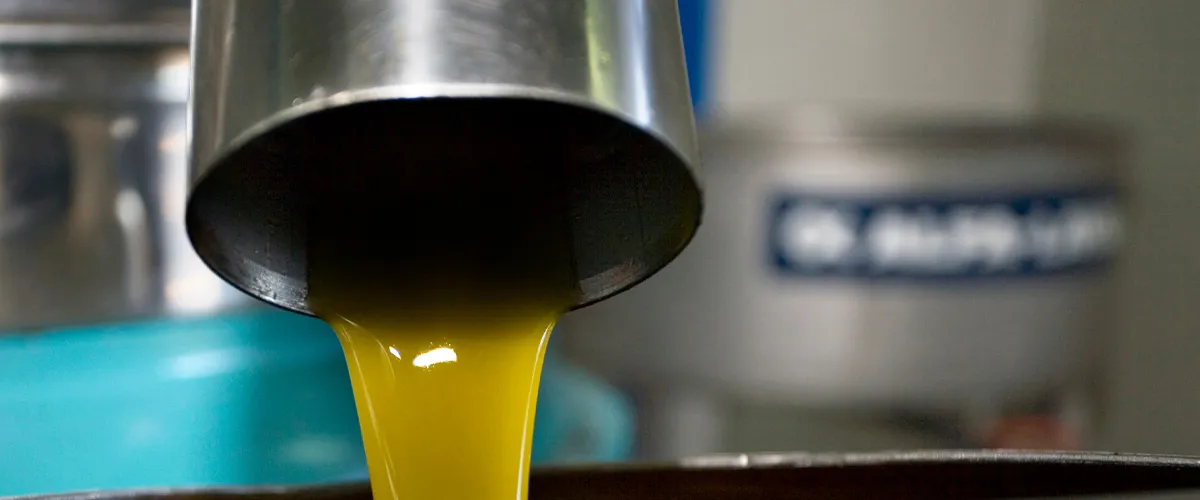
Unlike many commonly used cooking oils, extra virgin olive oil is produced through mechanical processes rather than chemical extraction, helping preserve the natural character of freshly harvested olives.

THE NATURAL WAY

From Fresh Olives to Liquid Gold.

Extra virgin olive oil is the highest grade of olive oil. It is obtained directly from olives using mechanical methods, without chemical solvents, and must meet specific quality standards.

Careful extraction helps retain naturally occurring antioxidants and other compounds that contribute to extra virgin olive oil's distinctive flavor and nutritional character.

  1. Olives harvested from a branch into a basket
    Step One

    Harvested

    Olives are gathered from the trees and brought to the mill promptly to help protect their freshness and quality.

  2. Olives washed under running water
    Step Two

    Cleaned & Washed

    Leaves and twigs are removed, then the olives are washed to clear away dirt before milling.

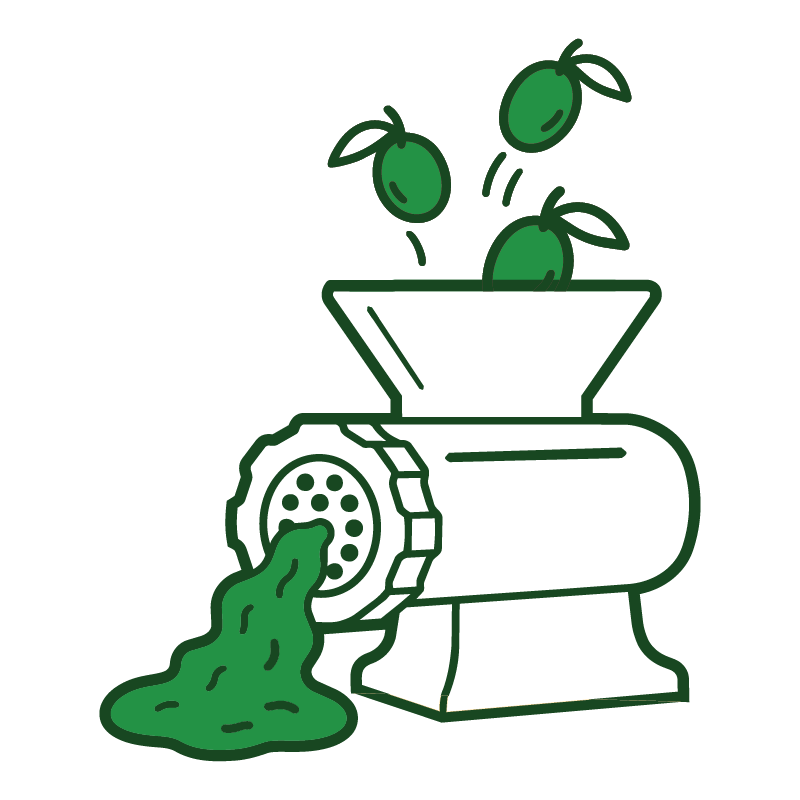
  3. Olives crushed into a paste in a grinder
    Step Three

    Crushed & Mixed

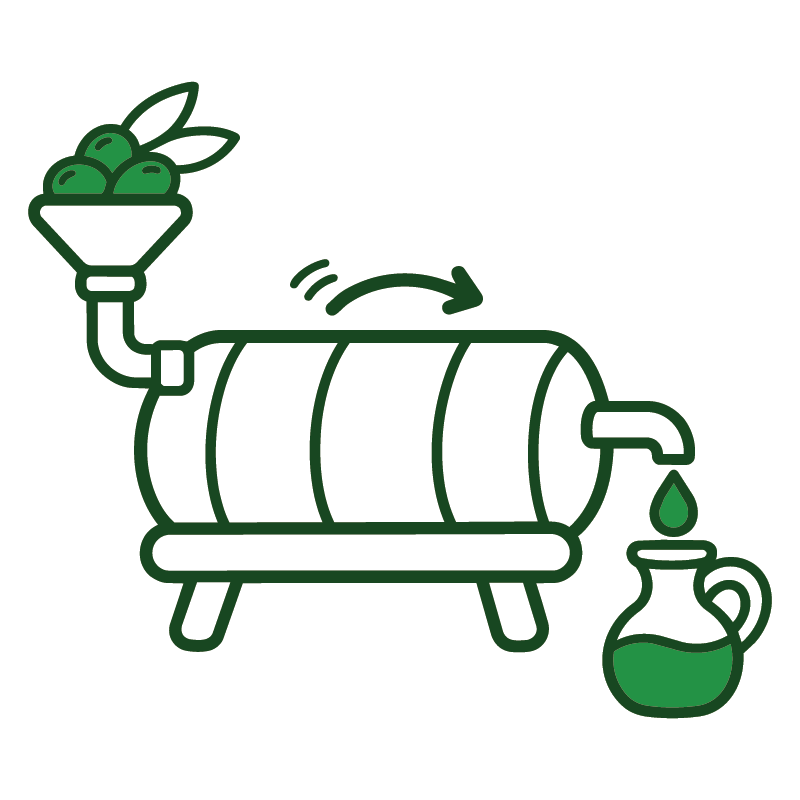
    The olives are crushed into a paste and slowly mixed. Known as malaxation, this helps tiny oil droplets join together.

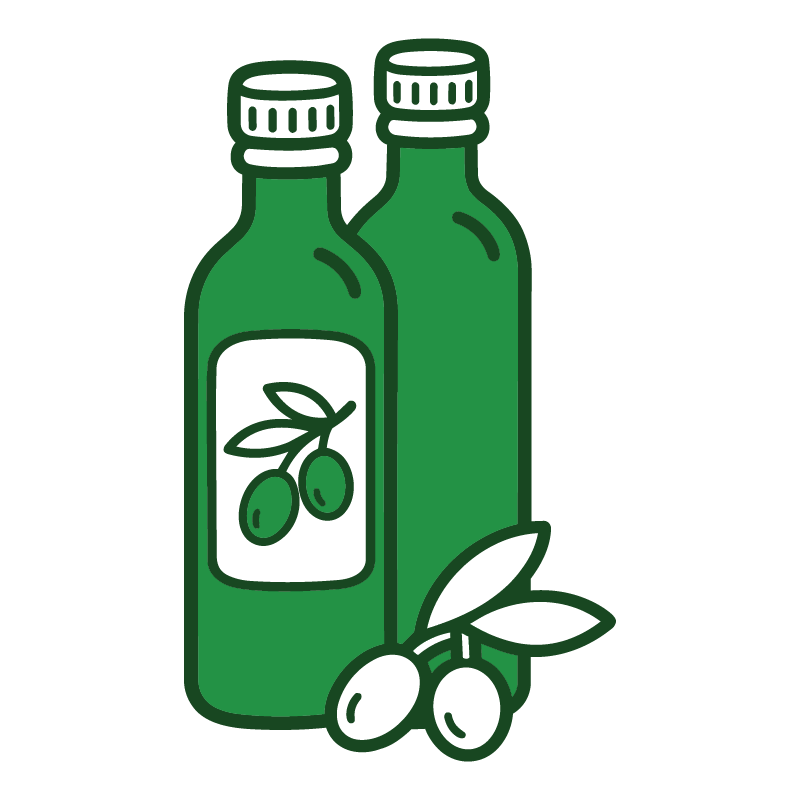
  4. Bottles of olive oil with an olive branch
    Step Five

    Stored & Bottled

    The oil may be filtered or allowed to settle, then stored under protective conditions until ready for bottling.

A SMARTER FAT CHOICE

Cholesterol Benefits.

Olive oil is naturally rich in monounsaturated fats, often called healthy fats. When used in place of saturated fats as part of a balanced diet, these fats may help support healthy cholesterol levels.

GOOD FATS, GOOD FOOD

A Healthier
Fat Choice.

Simple ingredient choices can play a meaningful role in building a balanced, heart-conscious diet.

THE MEDITERRANEAN APPROACH

Better Balance. Everyday Flavor.

One of olive oil's most recognized nutritional qualities is its high concentration of monounsaturated fatty acids. Replacing some sources of saturated fat with unsaturated fats can be part of a diet that supports healthy cholesterol levels.

Olive oil is also a familiar ingredient in Mediterranean-style eating, which emphasizes vegetables, fruits, whole grains, legumes, seafood and other nutrient-rich foods.

Research has associated Mediterranean dietary patterns with improved cardiovascular health. Olive oil can be one flavorful part of that overall eating pattern.

NUTRITION

Monounsaturated Fats

Olive oil provides monounsaturated fats that can support a heart-conscious eating pattern when they replace saturated fats.

BALANCE

Thoughtful Substitutions

Using olive oil instead of some butter or other sources of saturated fat is a simple adjustment for everyday cooking.

TRADITION

Mediterranean Eating

Olive oil is a familiar ingredient in Mediterranean diets, which are associated with cardiovascular wellness when considered as a whole.

MORE THAN GREAT FLAVOR

Health Benefits.

Extra virgin olive oil contains naturally occurring antioxidants and plant compounds that have made it one of the most studied foods in the Mediterranean diet.

NATURALLY GOOD

Nourishing Ingredients. Everyday Versatility.

Extra virgin olive oil provides naturally occurring antioxidants and plant compounds, including polyphenols, that contribute to its distinctive nutritional profile.

Along with its unsaturated fats, these compounds have made olive oil an important subject of research into Mediterranean dietary patterns and long-term wellness.

Beyond its nutritional qualities, olive oil brings rich flavor and flexibility to the kitchen. It can be incorporated into everything from everyday meals to traditional family recipes.

IN YOUR KITCHEN

One Ingredient. Endless Possibilities.

Sautéing

Use olive oil to sauté garlic, vegetables and other ingredients for flavorful everyday meals.

Roasting

Toss vegetables and other ingredients with olive oil before roasting to enhance their natural flavor.

Dressings

Combine olive oil with vinegar, lemon juice or herbs for fresh salads and homemade marinades.

Finishing

Drizzle extra virgin olive oil over pasta, vegetables or bread to add flavor just before serving.

A Mediterranean kitchen essential. From fresh salads to family recipes passed down through generations, olive oil brings both flavor and versatility to the table.

EASY KITCHEN SWAPS

Butter to Olive Oil Conversions.

Use these quick measurements when swapping olive oil for butter in cooking and many baked recipes.

SIMPLE RULE OF THUMB

Use Less Butter. Swap in Olive Oil.

When substituting olive oil for butter, a good general rule is to use about 3 parts olive oil for every 4 parts butter.

Butter 1 tsp
Olive Oil ¾ tsp

Great for small cooking adjustments and light sautéing.

Butter 1 tbsp
Olive Oil 2 ¼ tsp

A simple swap for pan cooking and quick recipes.

Butter ¼ cup
Olive Oil 3 tbsp

Helpful for muffins, quick breads and everyday baking.

Butter ⅓ cup
Olive Oil ¼ cup

A clean, easy conversion for smaller batch recipes.

Butter ½ cup
Olive Oil ¼ cup + 2 tbsp

Equal to one stick of butter in many common recipes.

Butter ⅔ cup
Olive Oil ½ cup

A useful reference for larger baked recipes and batters.

Butter ¾ cup
Olive Oil ½ cup + 1 tbsp

Ideal when scaling up classic baked or savory dishes.

Butter 1 cup
Olive Oil ¾ cup

A quick reference for larger recipes and family-size cooking.

Nutrition Facts

Servings Per Container
Serving Size
Calories
% Daily Value*
Total Fat
Trans Fat
Saturated Fat
Polyunsaturated Fat
Monounsaturated Fat
Cholesterol
Sodium
Total Carbohydrate
Dietary Fiber
Total Sugars 0g
Includes Added Sugars
Protein
Vitamin D
Calcium
Iron
Potassium
INGREDIENTS:

Packaging, nutrition facts and ingredient statements are
subject to change. For the most up to date information
regarding a product, please refer to the product’s packaging.