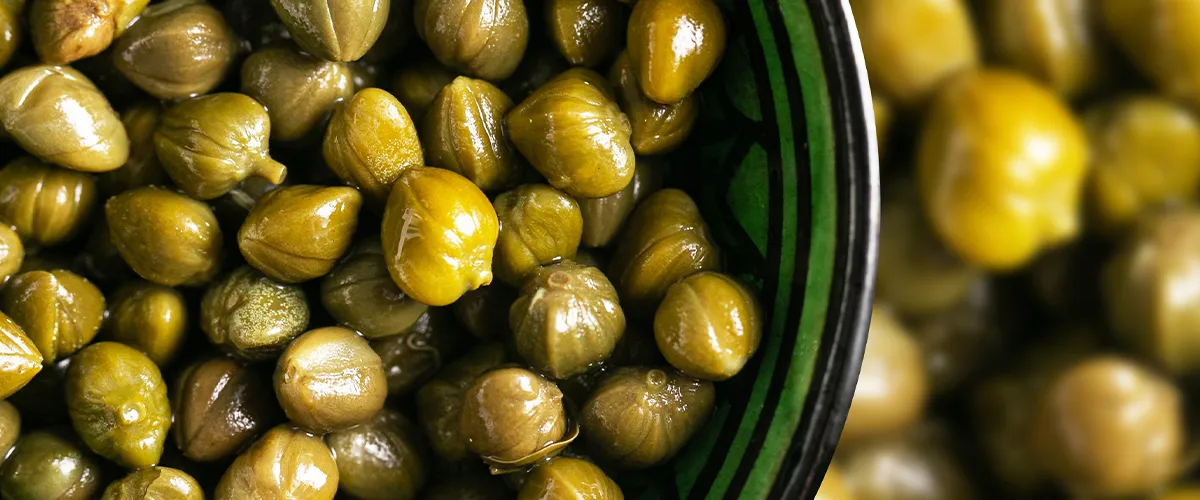
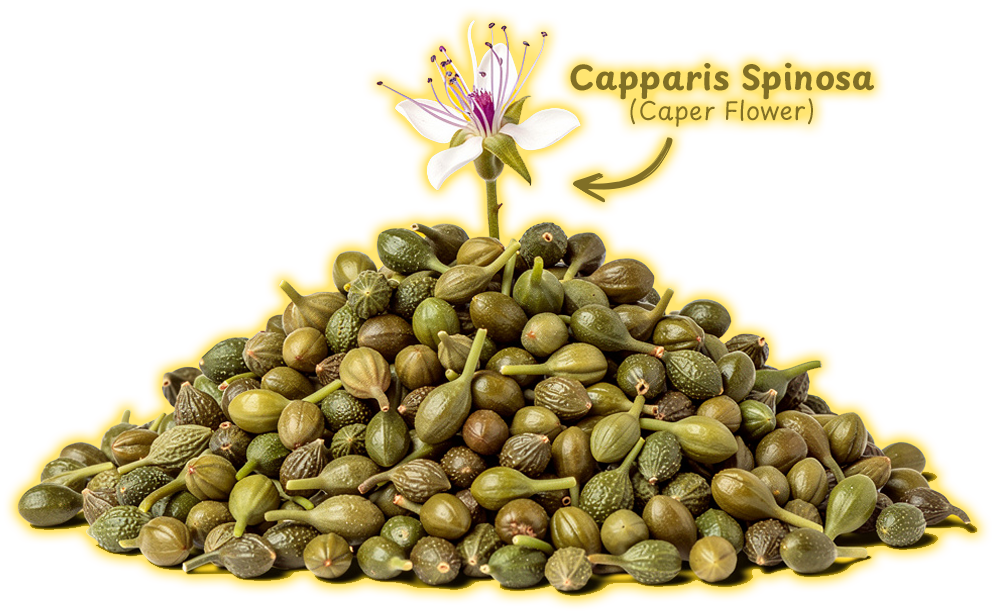
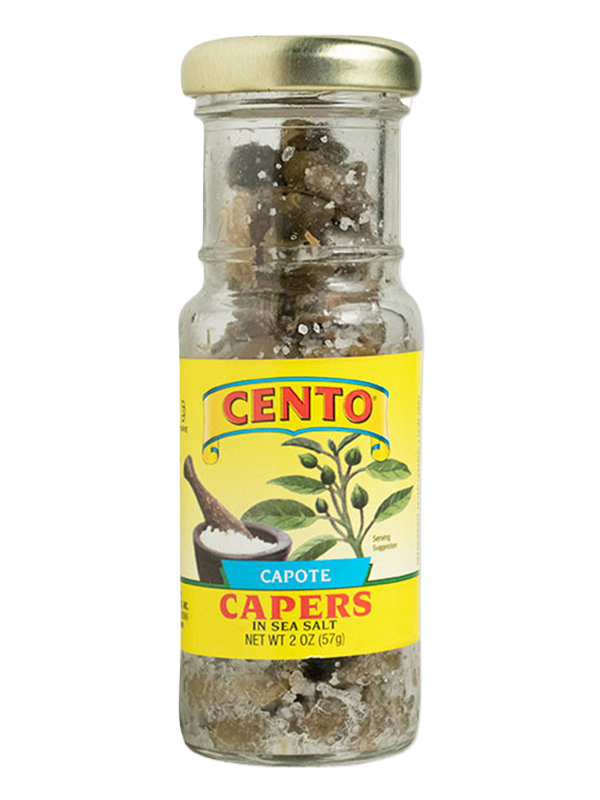
Capers are small but mighty ingredients that have been a staple of Mediterranean cooking for centuries. These tiny green buds come from the caper bush, a hardy plant that thrives in warm, dry climates throughout Southern Europe and the Mediterranean. Harvested before they have a chance to bloom, capers are then preserved in brine, vinegar or salt to develop their distinctive flavor.
Known for their bright, briny taste, capers bring a sharp, salty and slightly lemony flavor to a wide variety of dishes. Their bold character makes them especially useful for balancing rich ingredients, adding acidity and creating depth without overpowering the other flavors in a recipe.
Before blooming into flowers, caper buds are carefully picked by hand and sorted by size. Their flavor is sharp, salty, slightly lemony, and often compared to green olives with a more concentrated tang. Because of their intensity, capers are usually used in small amounts to brighten and balance recipes.
Capers have been used in Mediterranean cuisine for centuries and remain especially popular in Southern Italian dishes where fresh seafood, olive oil, tomatoes, and herbs are staples.
Capers thrive in warm coastal climates and have become deeply rooted in Mediterranean food culture. In regions like Sicily and Southern Italy, capers are harvested seasonally and preserved using traditional methods passed down through generations.
Italian capers are particularly valued for their quality and flavor, especially those grown on volcanic islands such as Pantelleria, where mineral rich soil and sea air contribute to their unique taste.
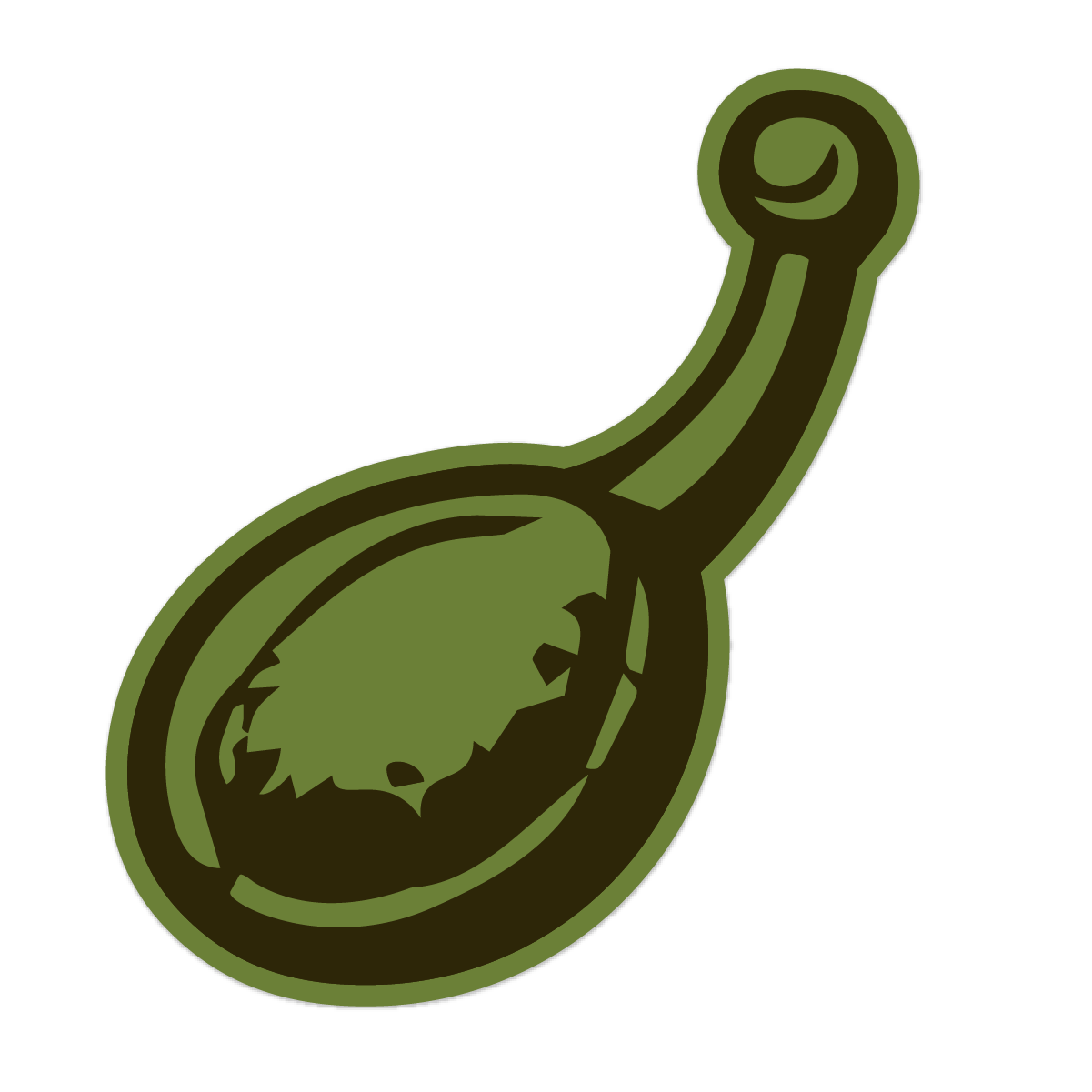
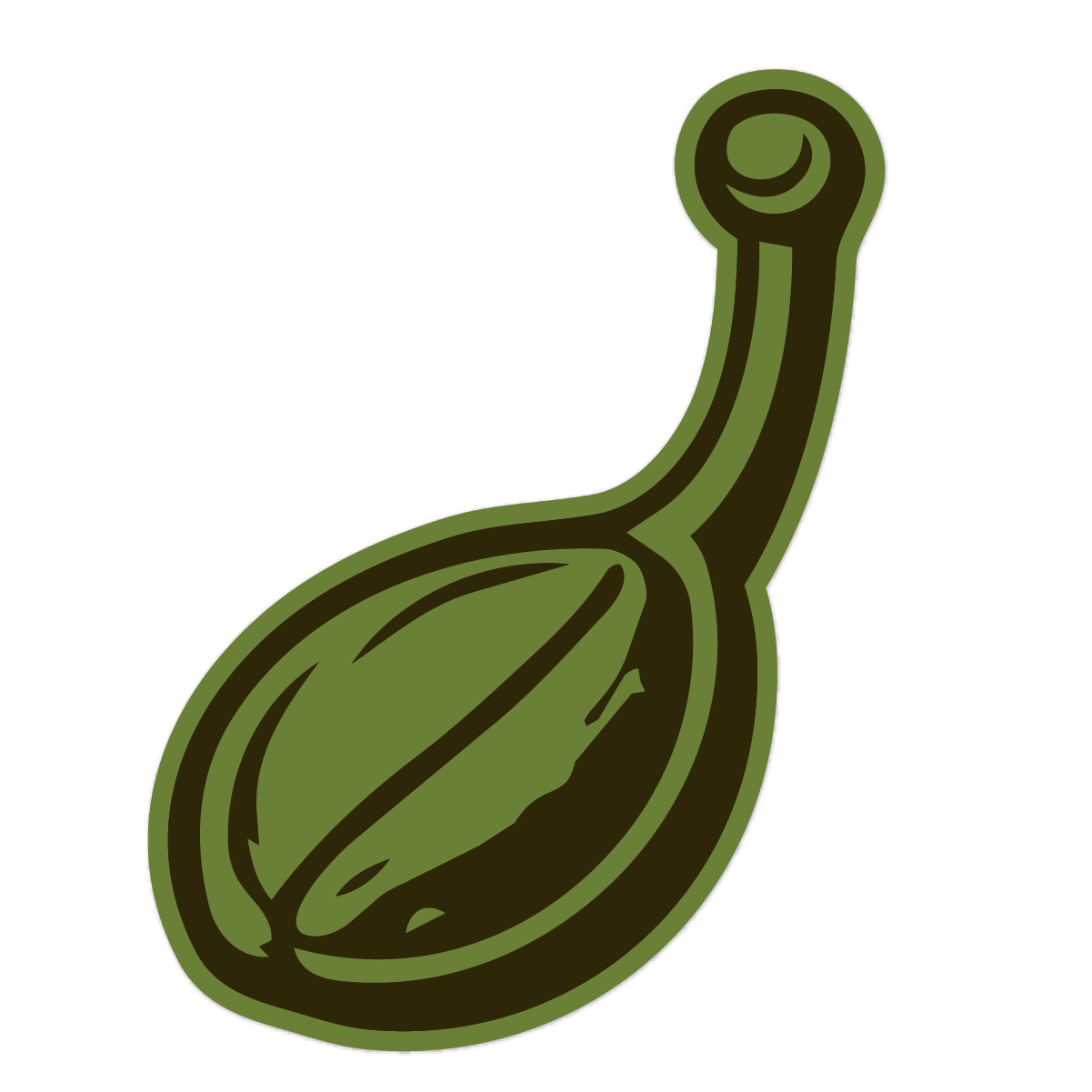
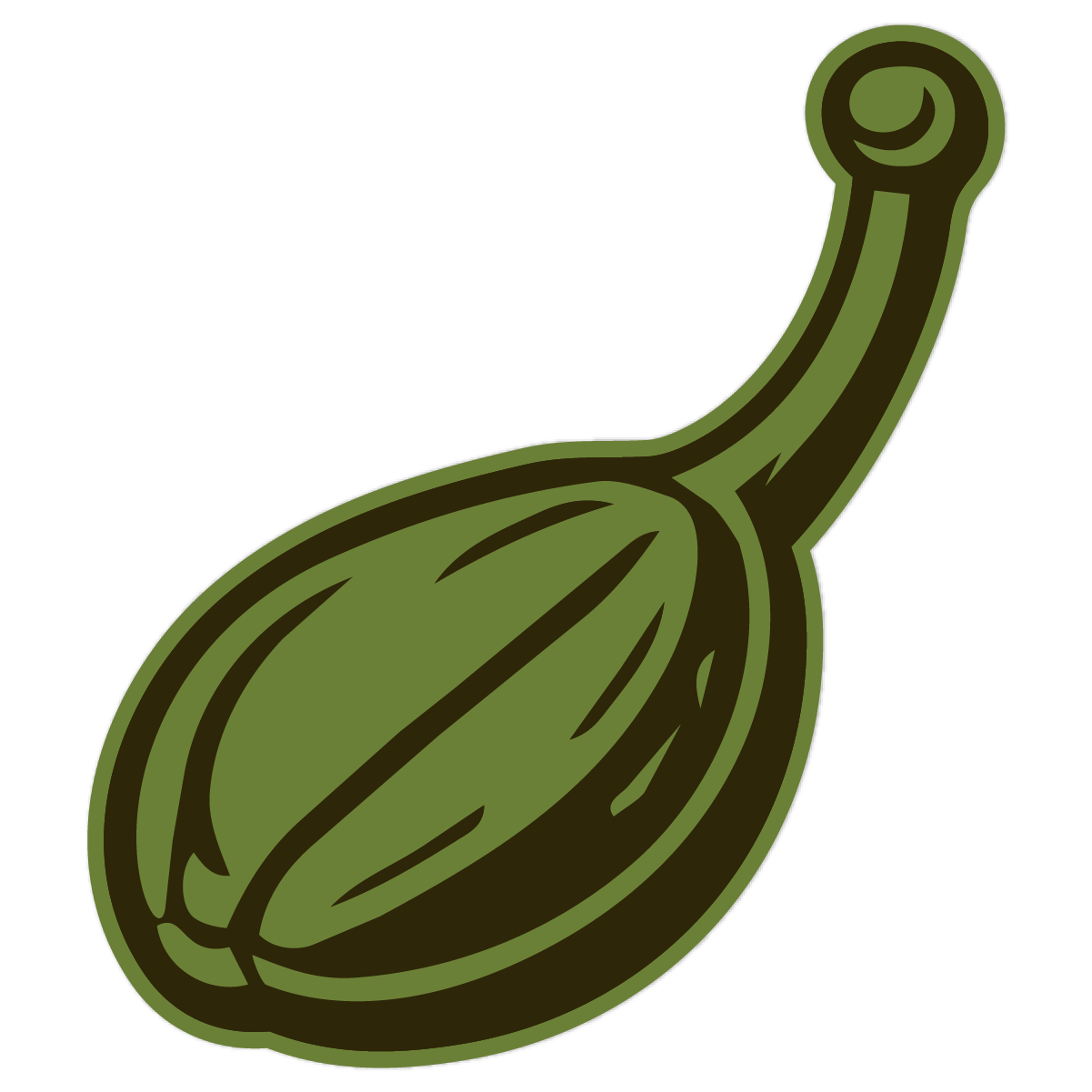
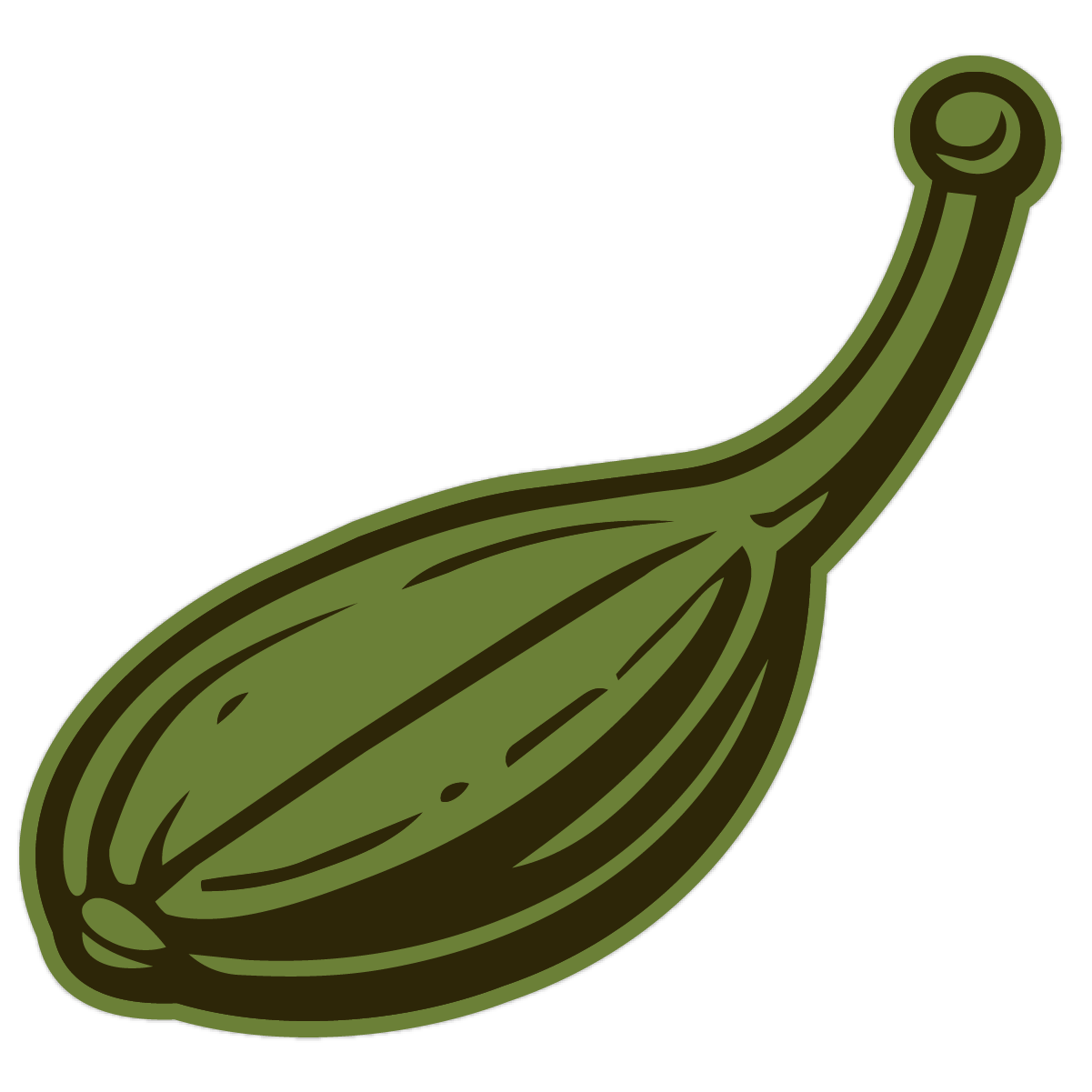
Not all capers are the same. Their classification is based on size, which affects both texture and flavor.
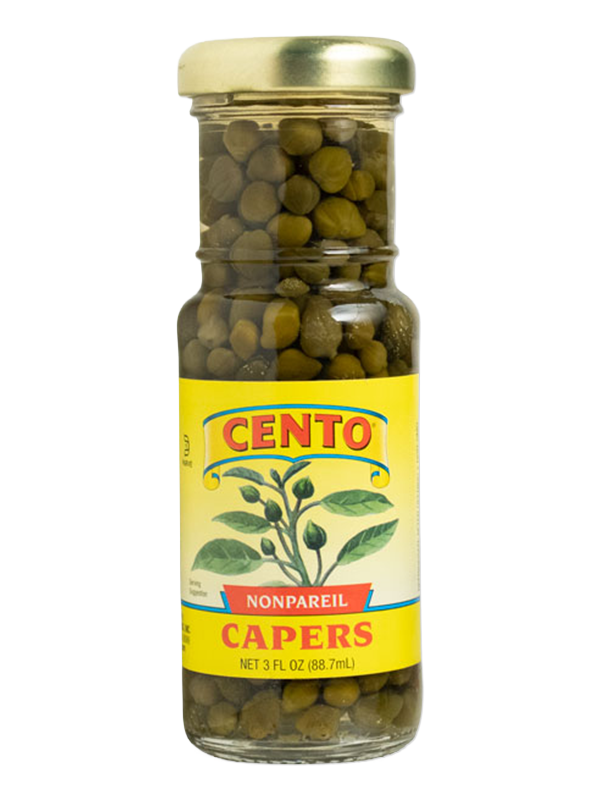
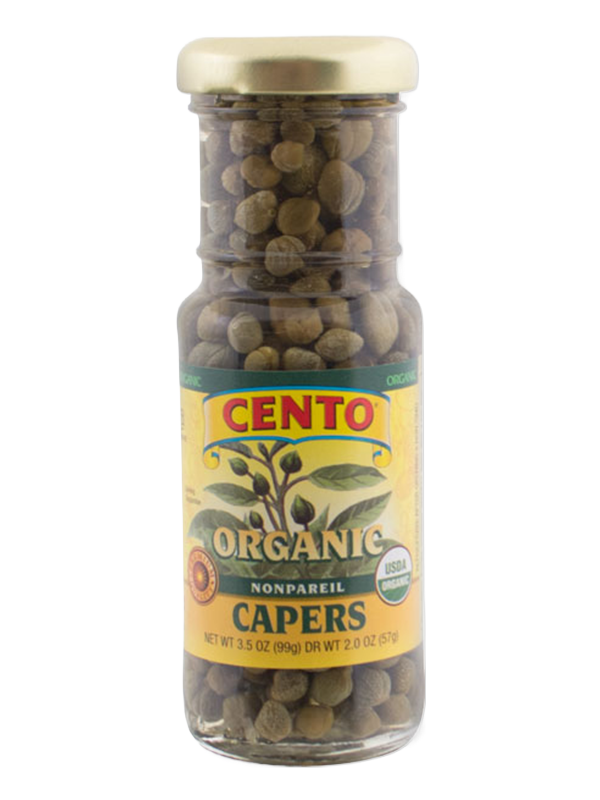
Nonpareils are the smallest and most prized variety, typically measuring under 7 millimeters. They have a delicate texture and refined flavor, making them ideal for salads, sauces, and garnishes.
Surfines range from 7 to 9 millimeters and offer a slightly bolder texture while still maintaining a balanced flavor.
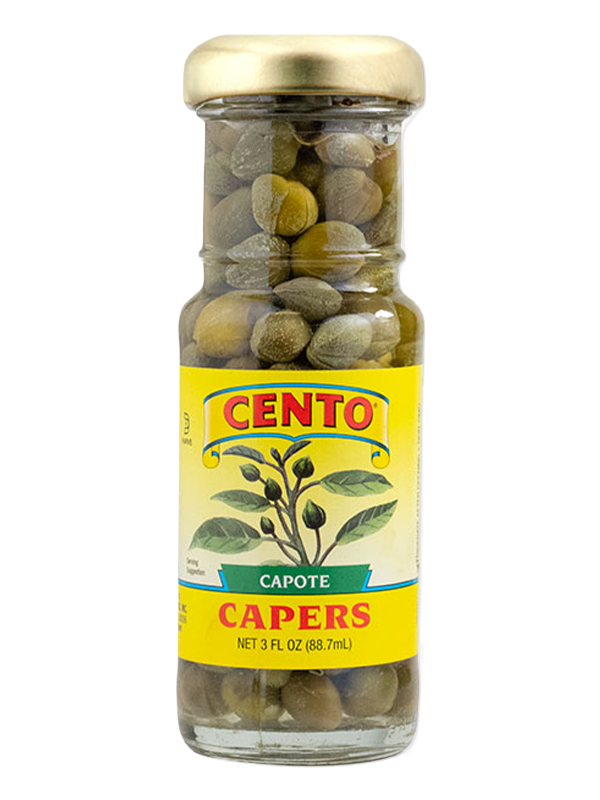
Capotes, which measure around 9 to 11 millimeters, are one of the most versatile varieties and commonly used in pasta sauces, chicken dishes, and seafood recipes.
Larger varieties like Fines and Grusas develop a more pronounced acidity and stronger flavor, making them well suited for hearty dishes that can handle their intensity.

Up to 7mm

7-8mm

8-9mm

9-11mm

11-13mm

Over 14mm
Capers are rarely eaten on their own. Instead, they are used to add contrast and brightness to savory dishes. Their salty acidity cuts through rich ingredients like butter, olive oil, cream, and fried foods.
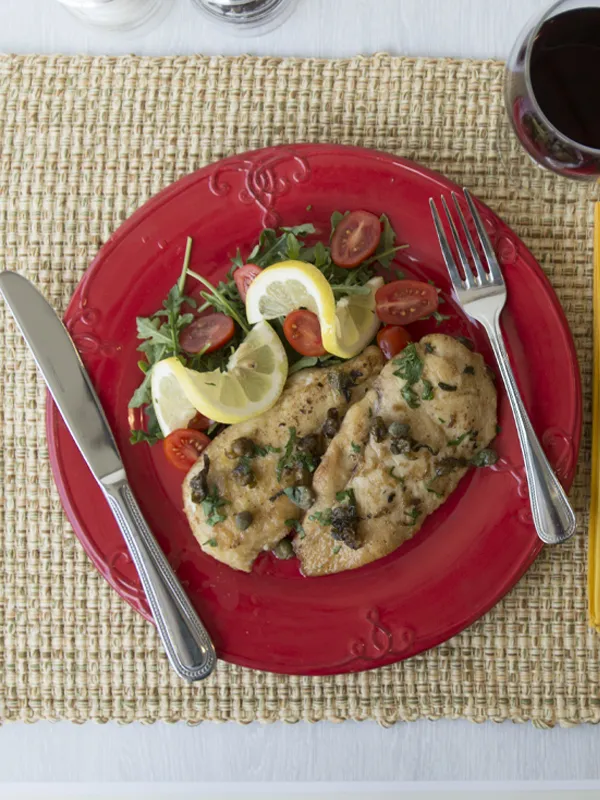
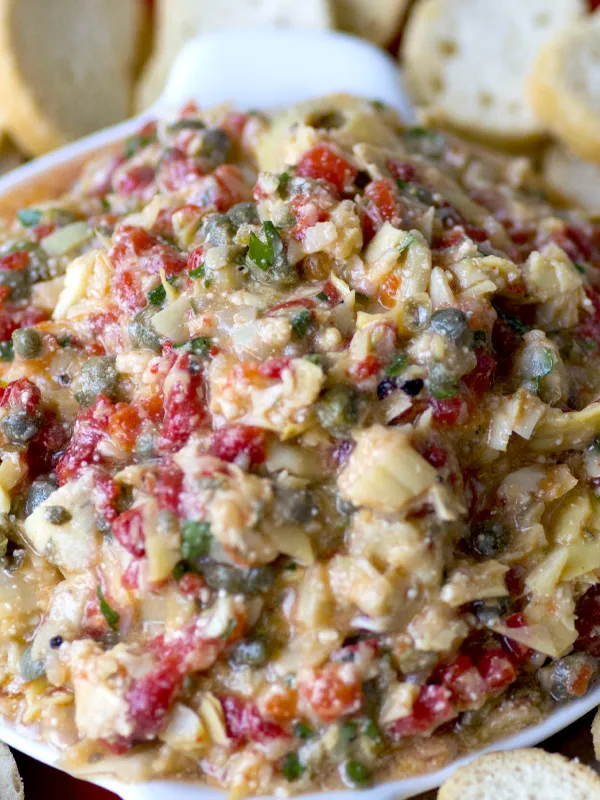
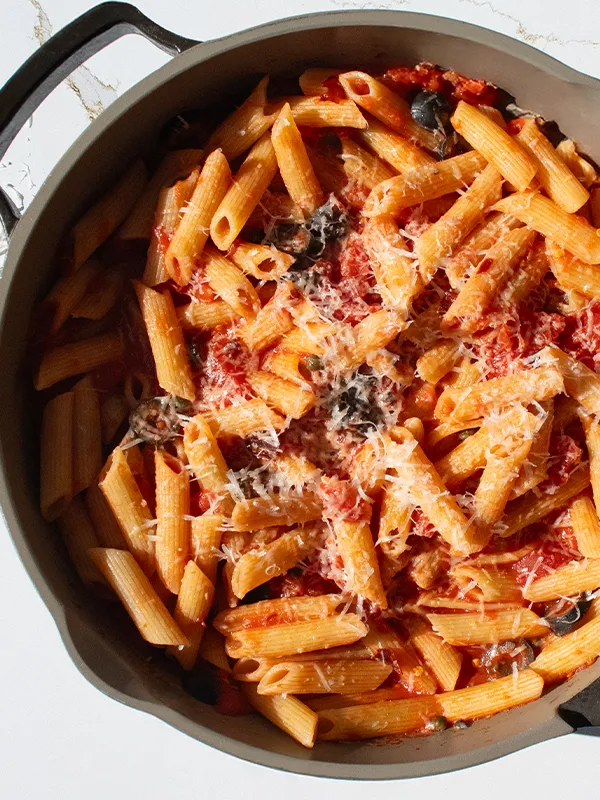
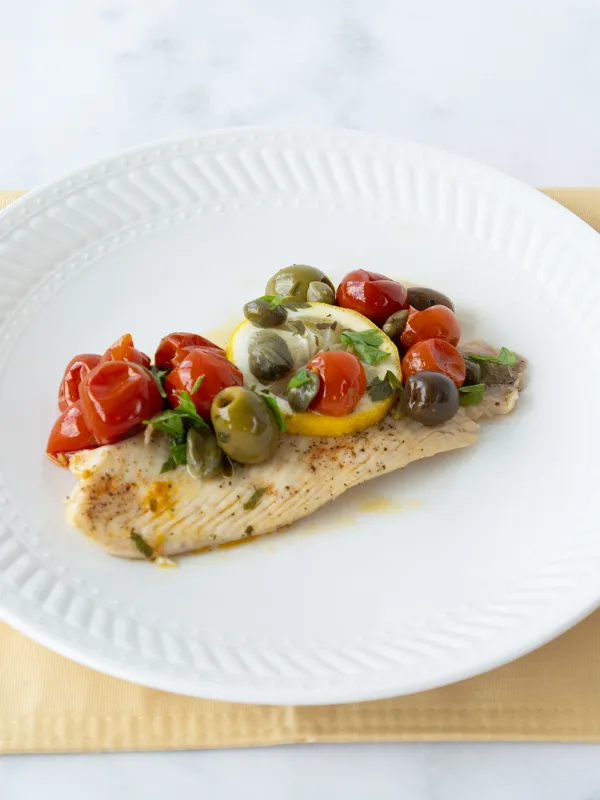
In Italian cuisine, capers are often paired with seafood, especially tuna, anchovies, salmon, and white fish. They are also commonly added to pasta sauces, chicken piccata, puttanesca sauce, antipasto platters, and fresh salads.
A small spoonful of capers can completely change a dish by adding depth and balance without overpowering the other ingredients. Because they are preserved in salt or brine, many cooks rinse capers lightly before using them to soften the salinity.
Packaging, nutrition facts and ingredient statements are
subject to change. For the most up to date information
regarding a product, please refer to the product’s packaging.