For generations, sardines have been a staple throughout the Mediterranean, prized for their rich flavor, convenience, and impressive nutritional value. Today, they’re earning new attention as one of the healthiest and most sustainable seafood choices you can add to your pantry.
Whether you’re discovering sardines for the first time or already keep a few cans on hand, understanding the differences between styles can help you choose the right one for your meals.

Sardines may be small, but they’re packed with nutrients that support a healthy lifestyle. Since sardines are small fish that feed low on the food chain, they also contain naturally low levels of mercury compared to many larger seafood options. Combined with their sustainability and long shelf life, they’re an easy pantry staple that’s ready whenever inspiration strikes..
They are naturally rich in:
One of the biggest questions shoppers have is whether to choose traditional sardines with skin and bones or skinless and boneless varieties.
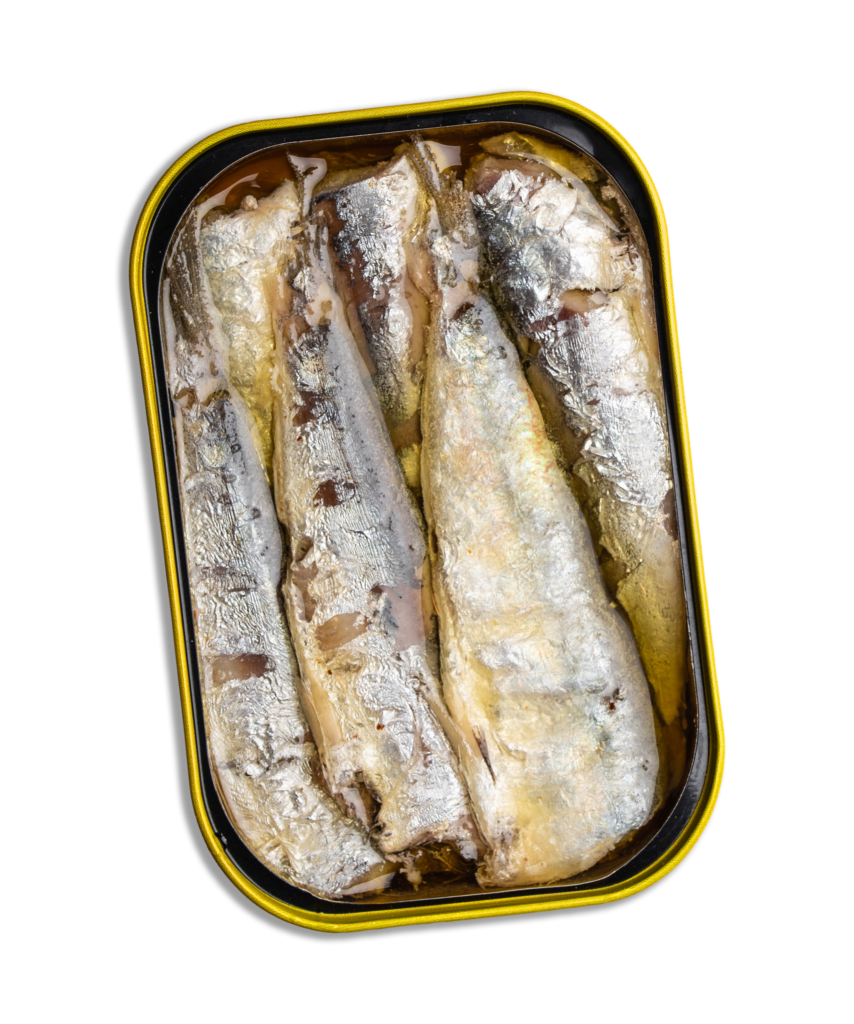
Traditional sardines offer the highest nutritional value because both the edible bones and skin provide additional nutrients. These are perfect for anyone looking to maximize nutrition.
Benefits include:
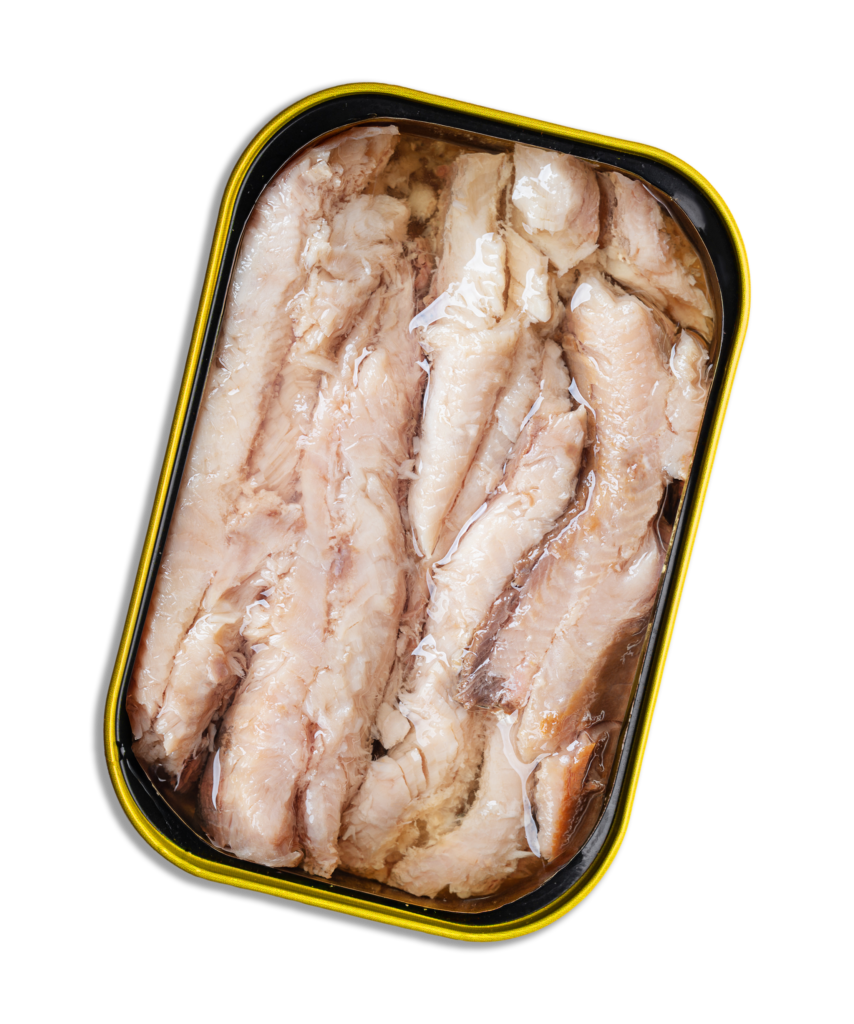
Skinless and boneless sardines provide the same great convenience while offering a milder texture that’s ideal for people new to sardines. While they contain less calcium than traditional sardines, they’re still a nutritious everyday option.
Benefits include:
Fish icons indicate the relative amount or intensity of each feature. They do not represent overall product quality.
| Feature | Skin & Bones | Skinless & Boneless |
|---|---|---|
| Calcium |
|
|
| Vitamin D |
|
|
| Omega-3 Fats |
|
|
| Protein |
|
|
| Calorie Level |
|
|
| Texture | TRADITIONAL & RICH Softer bones and a fuller mouthfeel | MILD & SMOOTH Clean texture with no bones |
| Minerals Overall |
|
|
Many people are surprised to learn that sardine bones are completely edible.
During the canning process, the bones become soft enough to eat comfortably while providing one of nature’s best sources of calcium.


The skin contains naturally occurring nutrients that complement the fish itself. While the nutritional difference isn’t as dramatic as the bones, leaving the skin intact allows you to enjoy the fish in its most natural form.
For centuries, Mediterranean kitchens have relied on sardines for their convenience, flavor, and nutrition. Today, they’re just as relevant, fitting perfectly into busy lifestyles while providing high-quality protein and heart-healthy fats.
Whether you prefer traditional sardines with skin and bones for maximum nutrition or skinless and boneless varieties for their mild texture, both make a delicious addition to countless recipes.
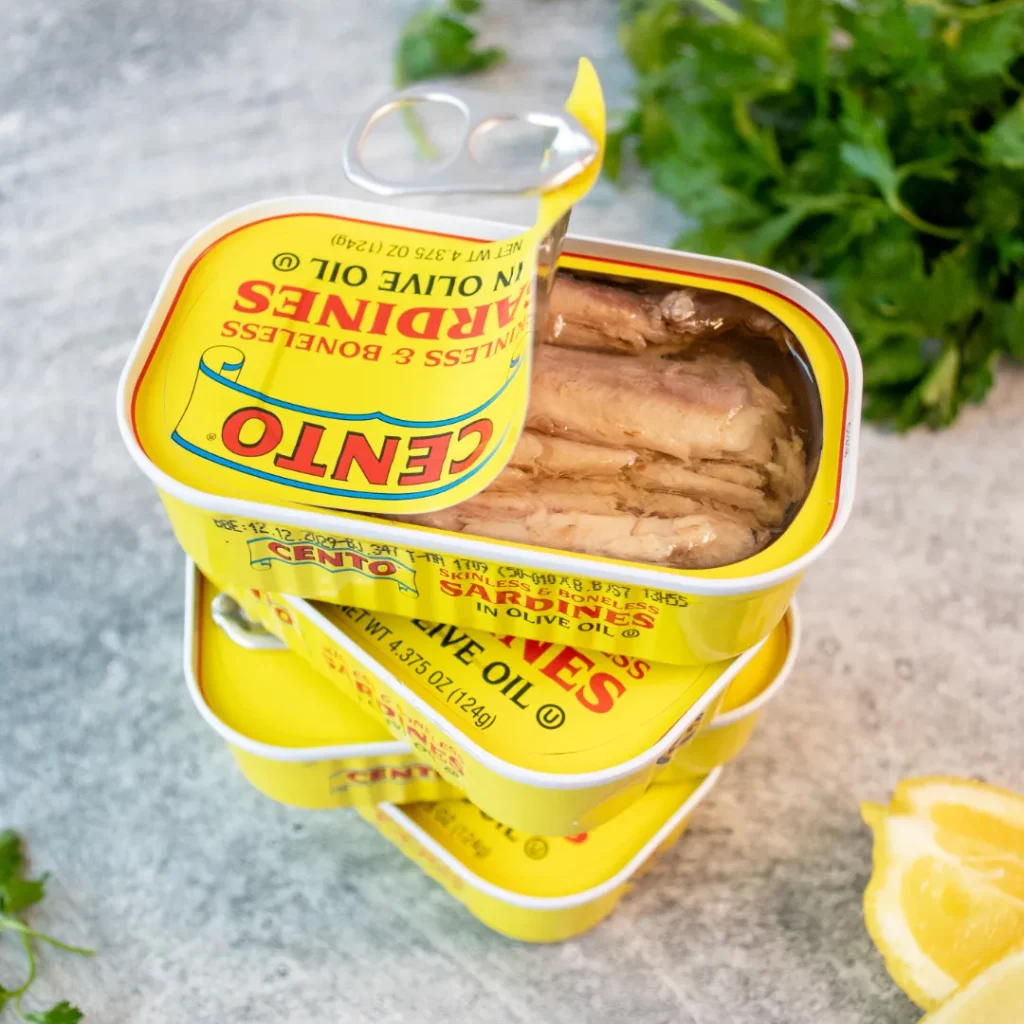
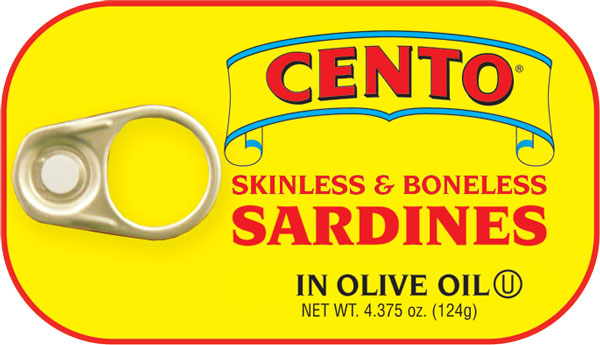
Cento skinless and boneless sardines are packed in olive oil to enhance flavor with a pull top for easy opening.
Cento skin and bone sardines are packed in olive oil to enhance flavor with a pull top for easy opening.
Packaging, nutrition facts and ingredient statements are
subject to change. For the most up to date information
regarding a product, please refer to the product’s packaging.