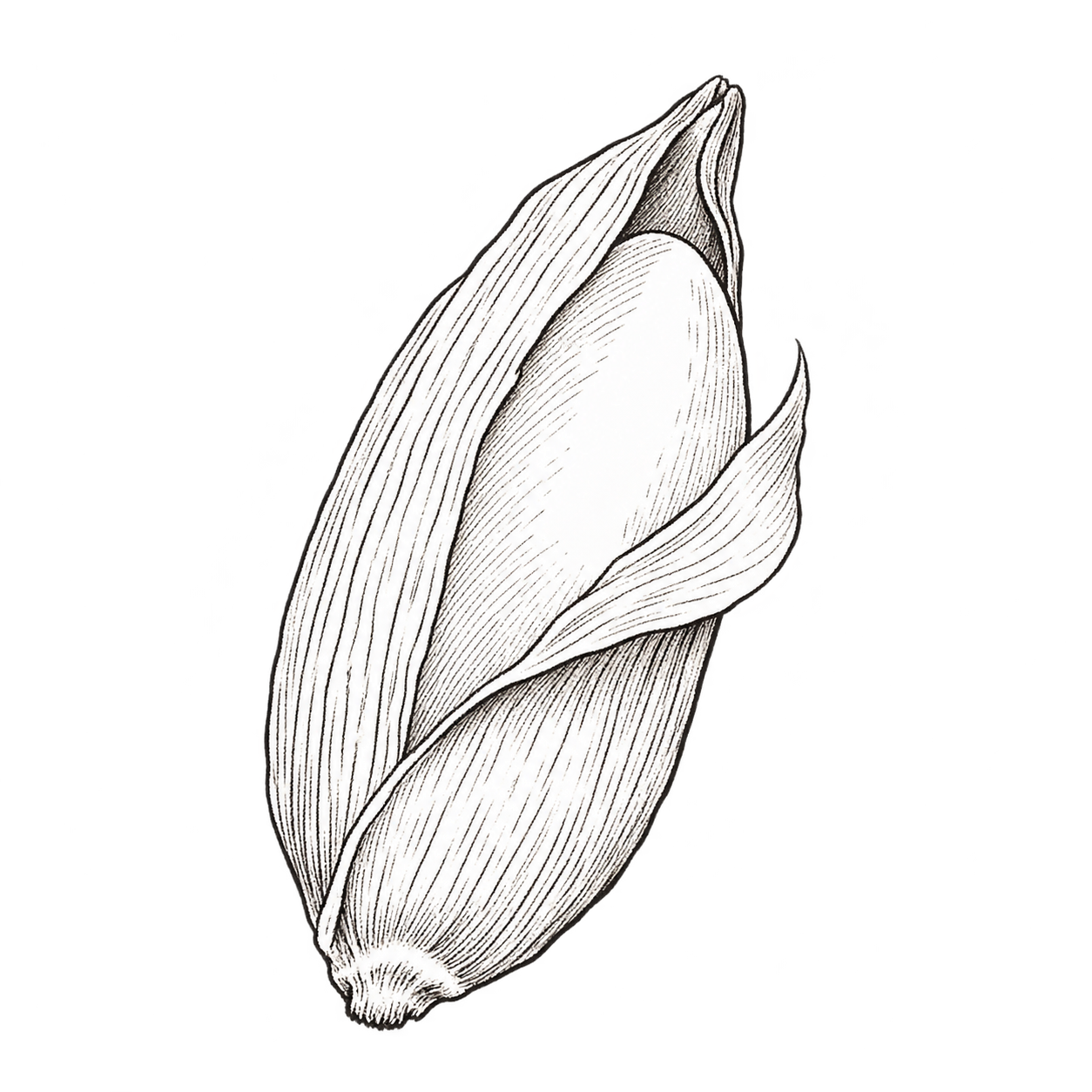
The Bran
The bran is the multilayered outer covering of the edible kernel. It contains fiber, B vitamins and antioxidants, making it an important part of the whole grain.

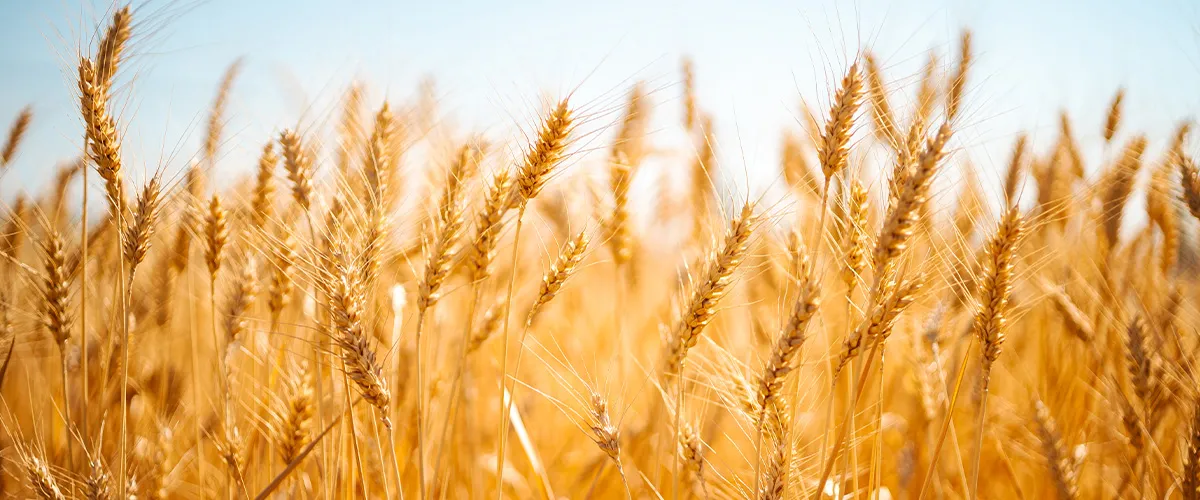
Every grain begins with three edible parts: the bran, germ and endosperm. A whole grain keeps all three in the same proportions found in the original kernel, whether it is enjoyed intact or milled into flour.
From familiar wheat and brown rice to rye, millet and spelt, explore the grains behind your favorite pantry staples, learn what the Whole Grain Stamp means and discover Anna Whole Grain Pasta.
A whole grain contains the entire edible kernel: the bran, germ and endosperm. Each part brings something different, and together they make the grain whole.
The bran is the multilayered outer covering of the edible kernel. It contains fiber, B vitamins and antioxidants, making it an important part of the whole grain.
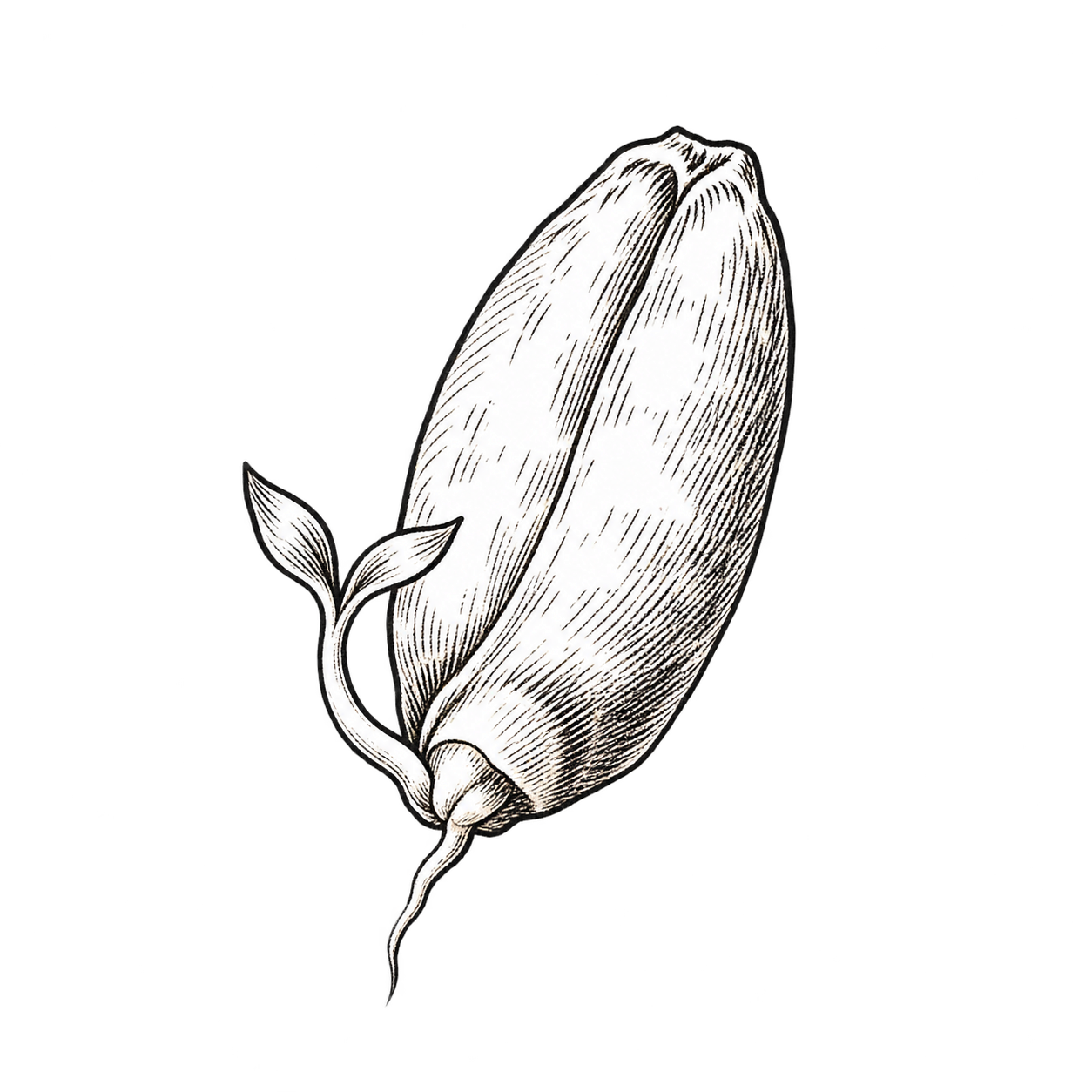
The germ is the embryo that can sprout into a new plant. This small part of the kernel contains B vitamins, some protein, minerals and naturally occurring fats.
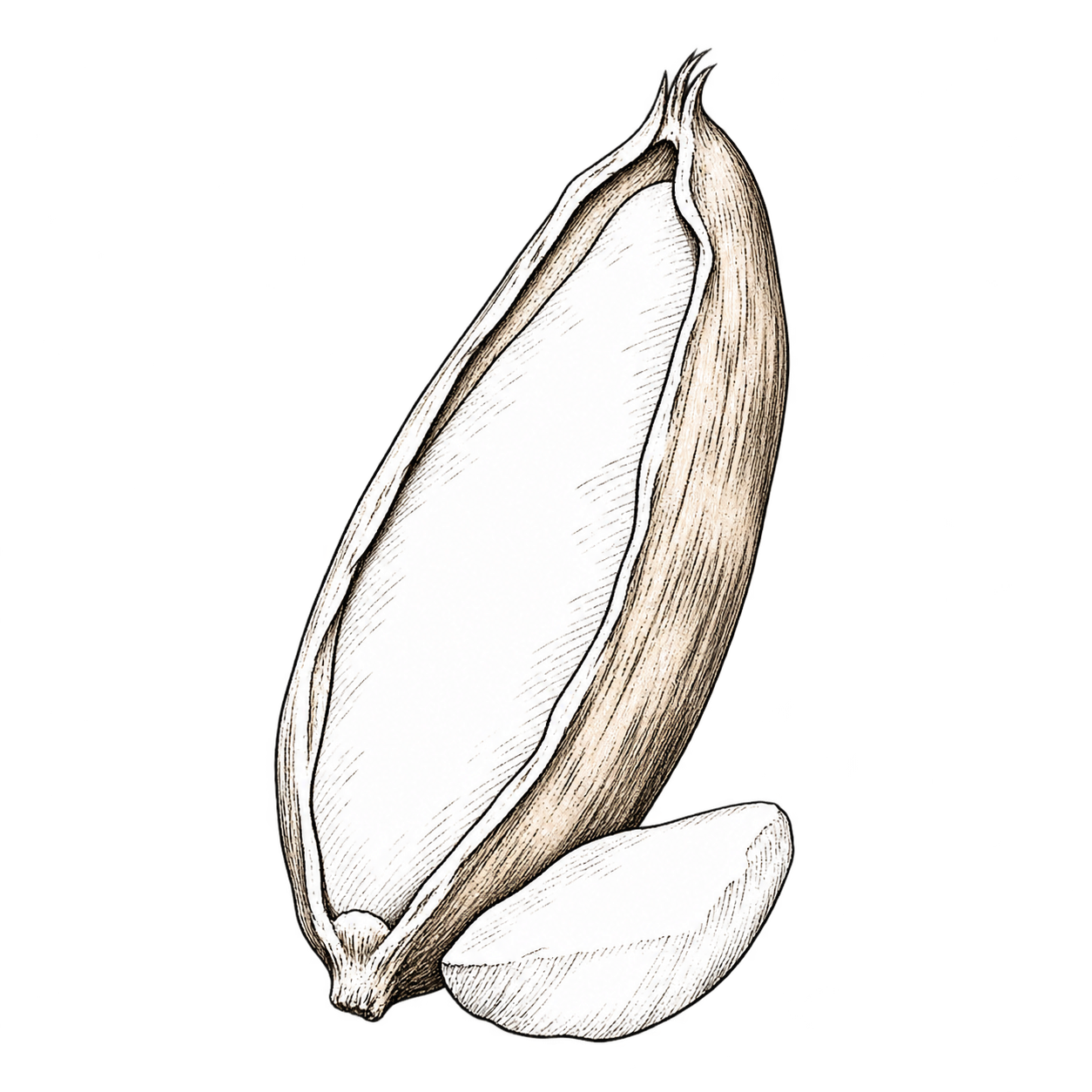
The endosperm supplies energy for the growing plant. It is the largest part of the kernel and contains starchy carbohydrates, protein and small amounts of vitamins and minerals.
Whole grains can be intact, cracked, rolled or ground into flour. What matters is that the bran, germ and endosperm remain in the same proportions as the original kernel. Whole wheat is one type of whole grain, alongside grains such as brown rice, rye, millet and spelt.
A simple symbol on the package can help you identify whole grain foods and see how much whole grain each serving provides.
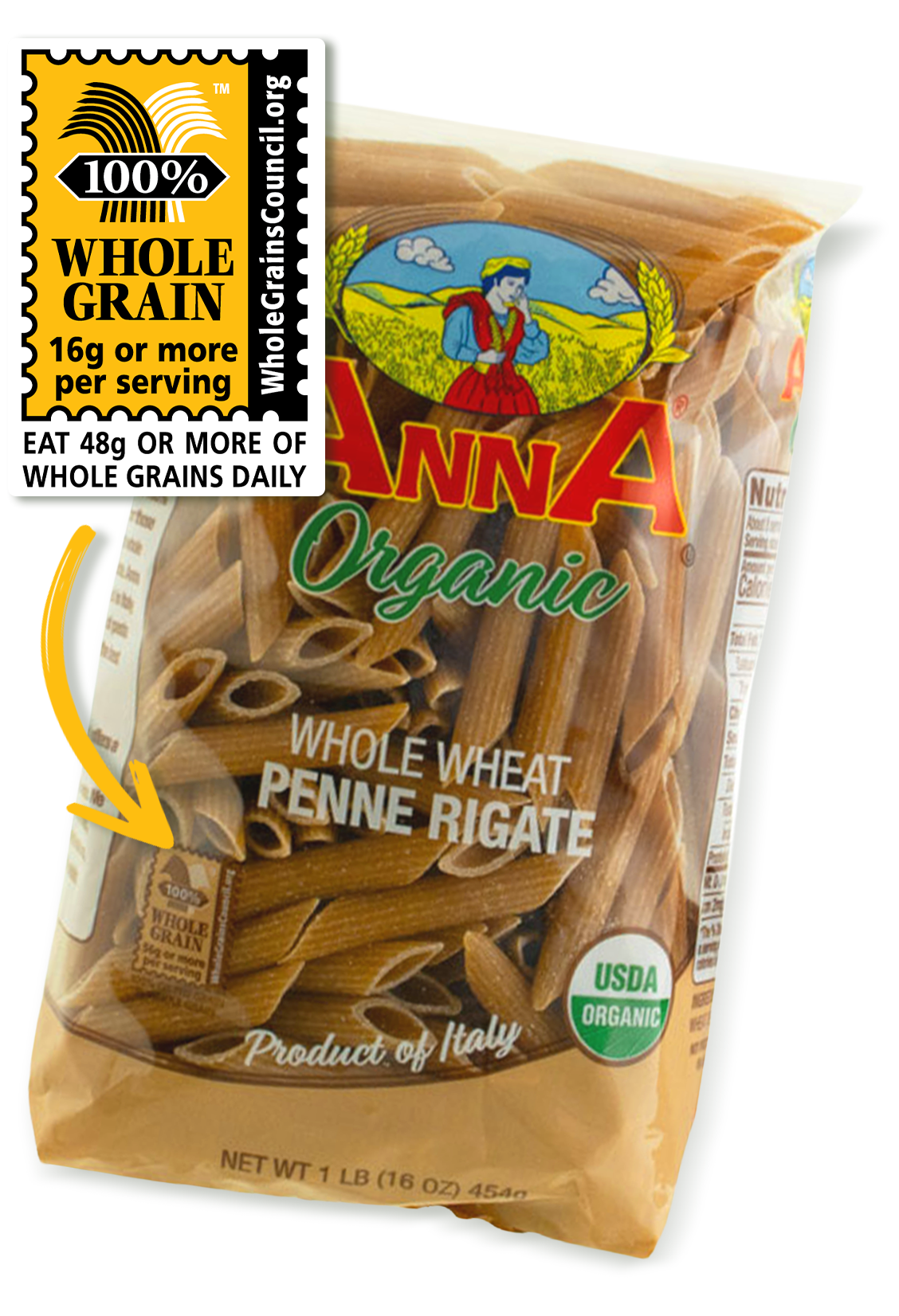
The Whole Grain Stamp was created by the Whole Grains Council to help shoppers find whole grain products. The number printed on the stamp tells you how many grams of whole grain are in one labeled serving.
The 100% Stamp means that all of the product's grain ingredients are whole grains. Products carrying this stamp also provide at least 16 grams of whole grain per labeled serving.
The percentage describes the grain ingredients. The gram amount tells you the quantity of whole grain in a serving. Use both details when comparing packages.
Explore Anna whole wheat pasta for your next meal, and look for the Whole Grain Stamp when shopping for whole grain foods.
Get to know the eight grains featured in our guide, from familiar whole wheat and brown rice to millet, buckwheat and spelt.
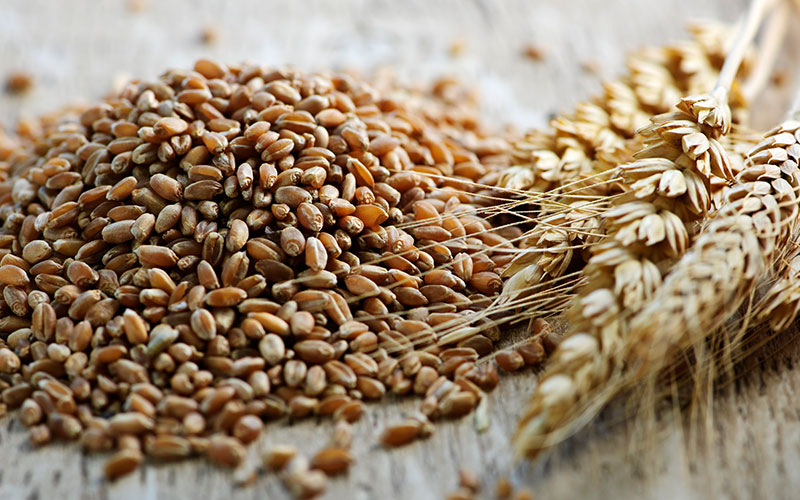
Whole grain rye retains its bran, germ and endosperm. It brings fiber and a distinctive grain flavor to the table.
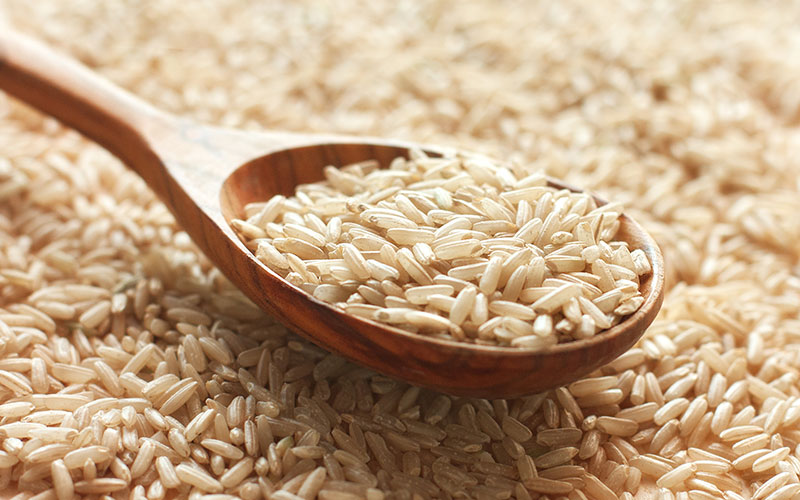
Brown rice keeps the bran and germ that are removed when making white rice. It is a familiar way to enjoy the whole grain.
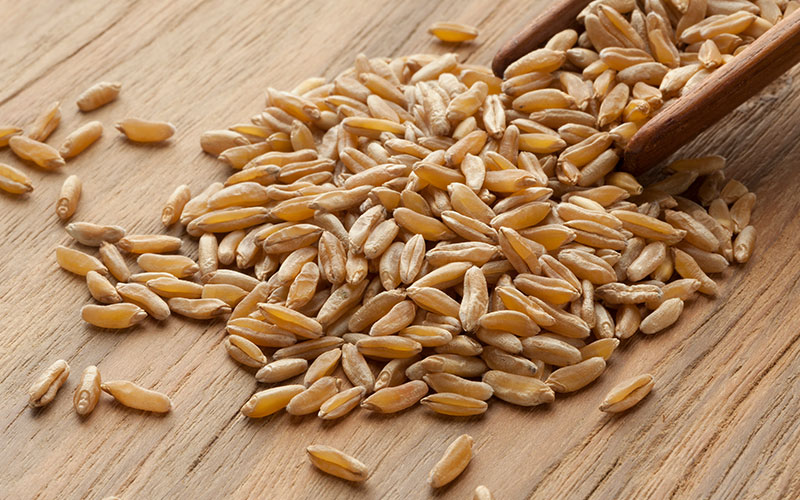
An heirloom wheat featured in our whole grain guide, Kamut offers another way to explore the variety within the wheat family.
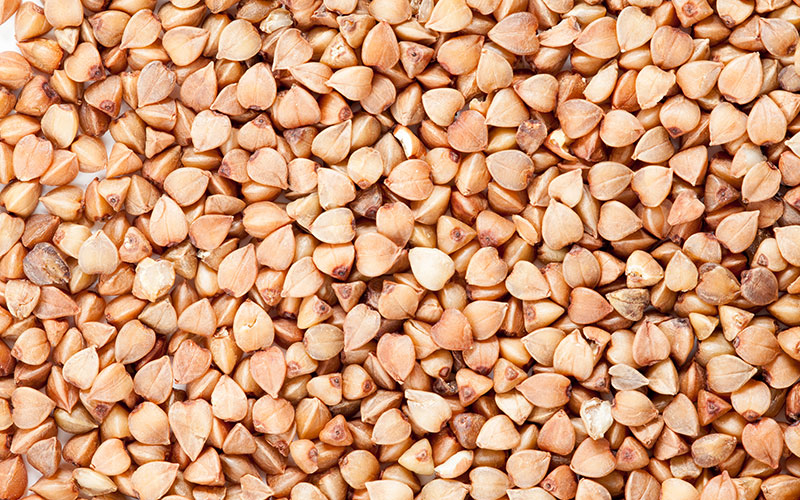
Despite its name, buckwheat is not a type of wheat. Its seeds are used like grains, adding variety to whole grain cooking.
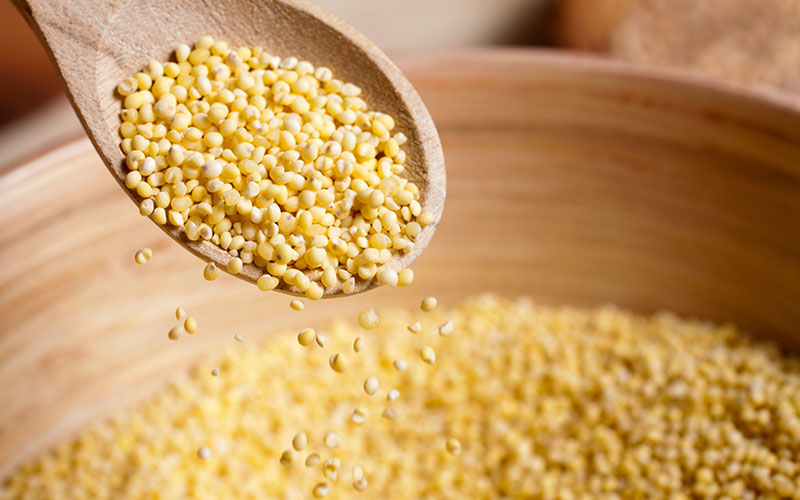
Millet is a small, naturally gluten free grain. It is one of the many whole grains to discover beyond wheat and rice.
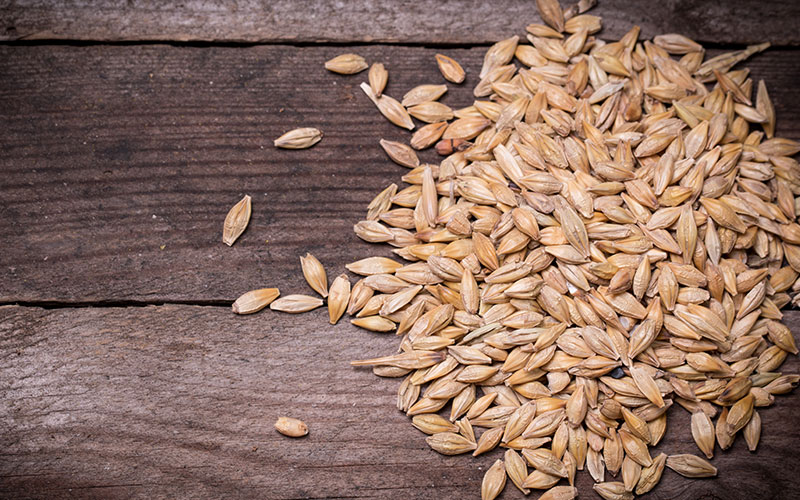
Whole grain barley retains its bran after the inedible outer hull is removed. Look for whole or hulled barley when shopping.
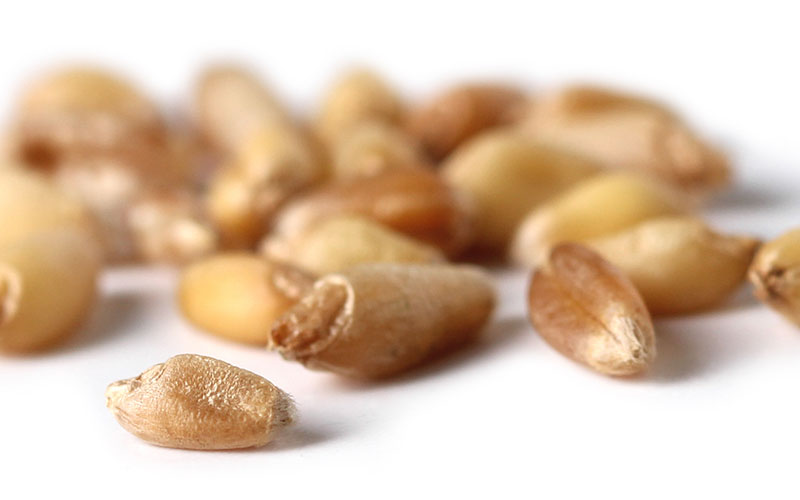
Whole wheat includes all three parts of the wheat kernel. Milled into flour, it brings whole grain character to pasta and bread.
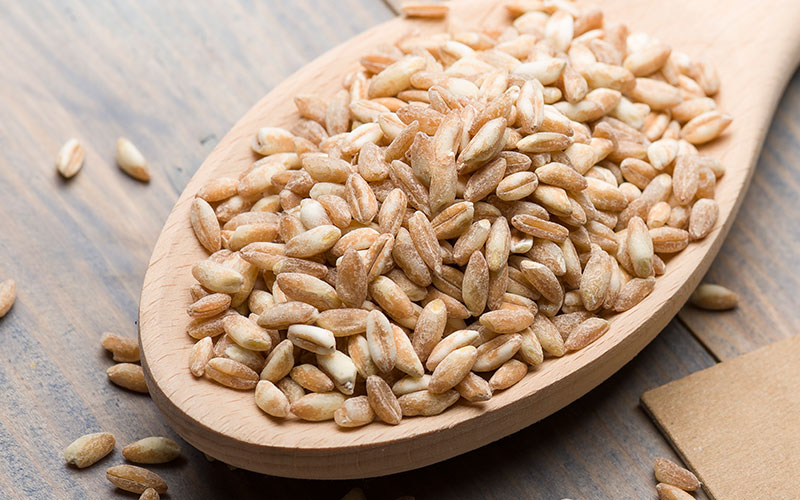
Spelt is a traditional variety of wheat. Enjoyed as a whole grain or milled into whole grain flour, it adds another option to the pantry.