Born in Milan
Panettone traces its roots to medieval Milan, where it evolved from a rich celebratory bread into a cherished Italian Christmas tradition.
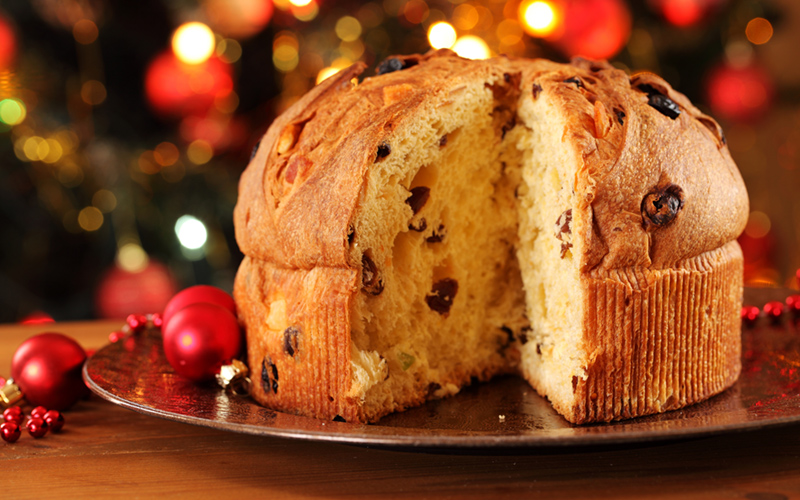
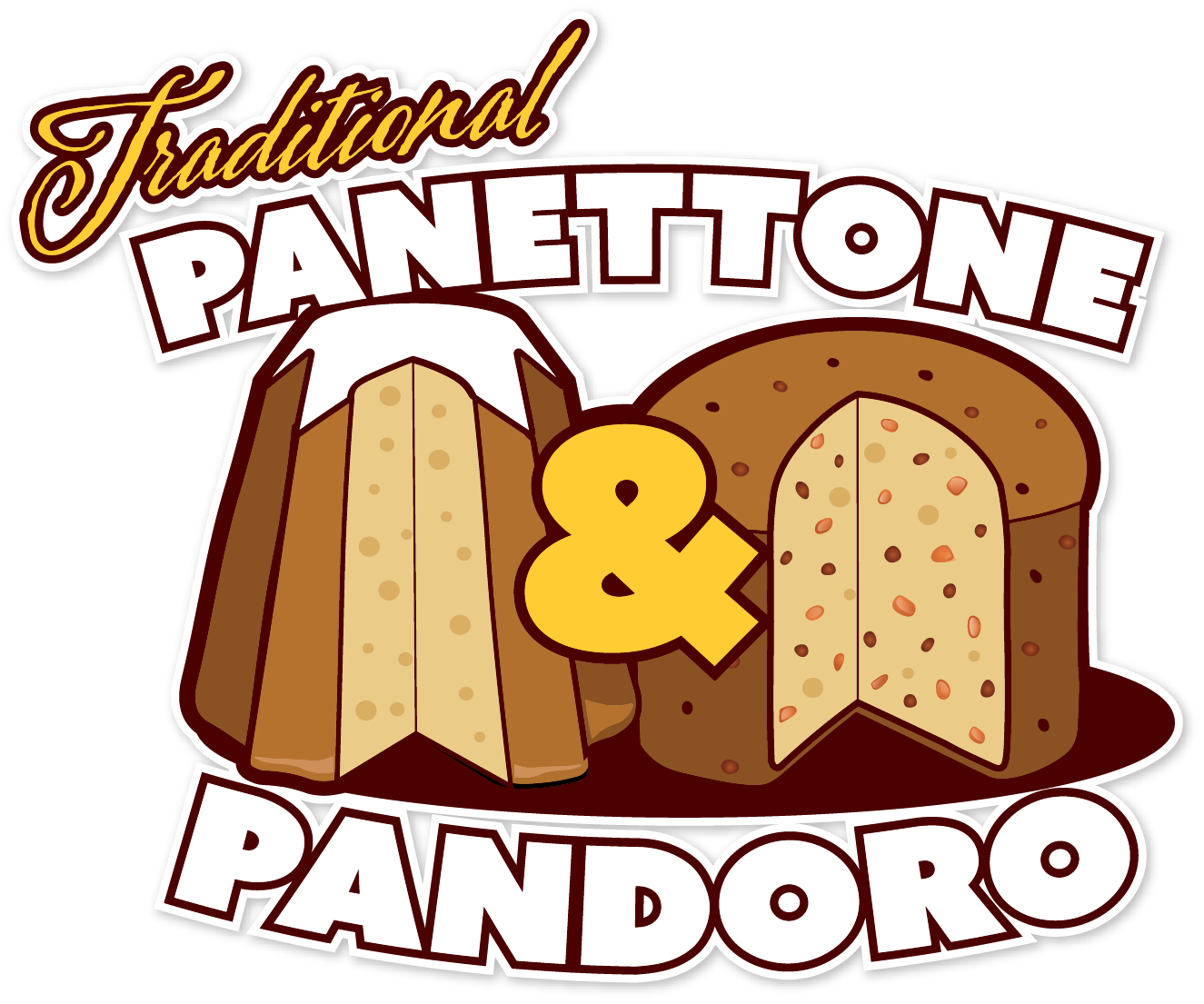
Panettone and Pandoro are two beloved holiday breads that have become synonymous with Christmas in Italy. Found on dessert tables throughout the country, these festive treats are enjoyed with family and friends during celebrations that span the entire holiday season. While both are rich, buttery sweet breads, they differ in texture, flavor, and tradition.
Panettone is known for its tall dome shape and fruit-filled interior, while Pandoro is prized for its soft, airy texture and signature dusting of powdered sugar. Ask any Italian which is better and you're likely to spark a friendly debate, but most would agree that Christmas simply wouldn't be the same without them.
With its signature domed shape, delicate texture and rich flavor, Panettone is unlike any other traditional Italian holiday bread.
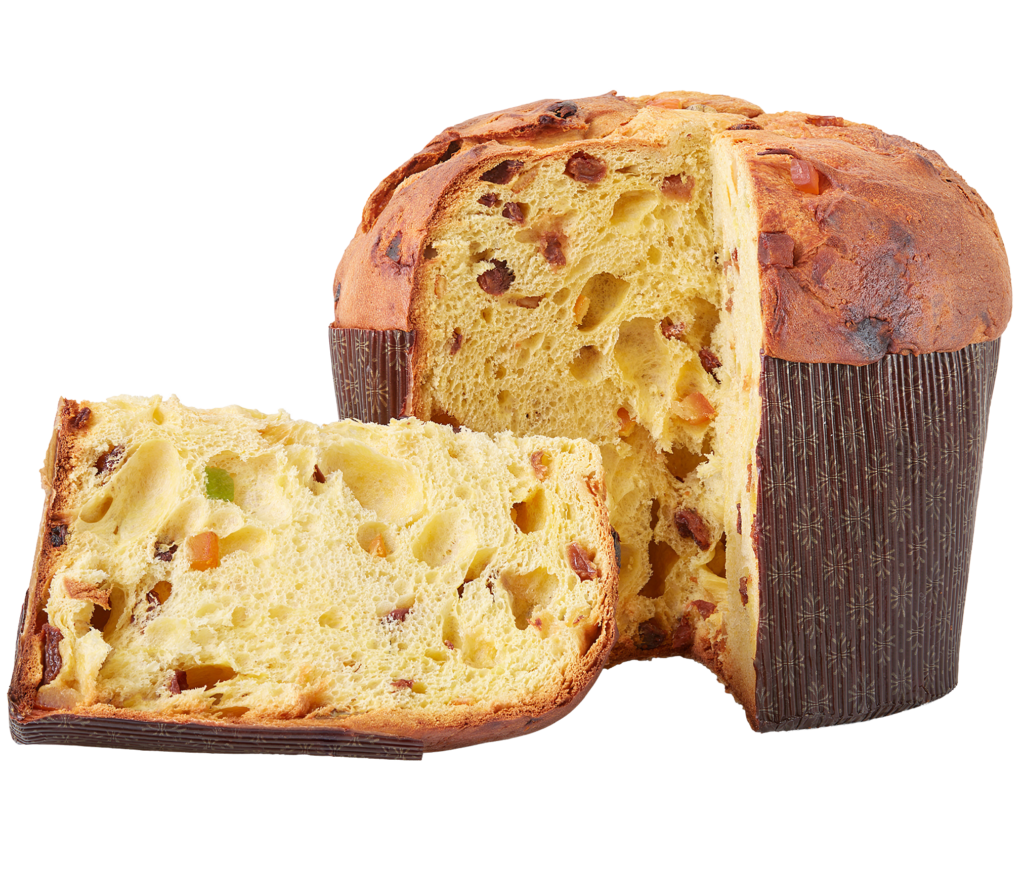
Panettone is recognized by its tall, rounded dome and golden crust. Beneath the surface is a soft, airy interior with delicate strands of rich, buttery dough.
Traditional Panettone is enriched with raisins and candied citrus peel, giving each slice a balance of sweetness and bright fruit flavor. Its slow fermentation helps develop the texture and aroma that make this Christmas bread so distinctive.
Whether served at breakfast or after a holiday meal, Panettone is traditionally sliced into wedges and shared with family and friends.
From its recognizable silhouette to the craftsmanship behind the dough, every detail contributes to the Panettone experience.
Its high, rounded top and distinctive baking wrapper give Panettone its iconic appearance.
The delicate, tender interior has an open, airy structure with a rich buttery texture.
Raisins and candied citrus peel bring sweetness and brightness to the traditional dough.
A lengthy fermentation process helps create Panettone's signature texture, flavor and aroma.
With its elegant star shape, soft golden interior and delicate buttery flavor, Pandoro is one of Italy's most recognizable Christmas desserts.
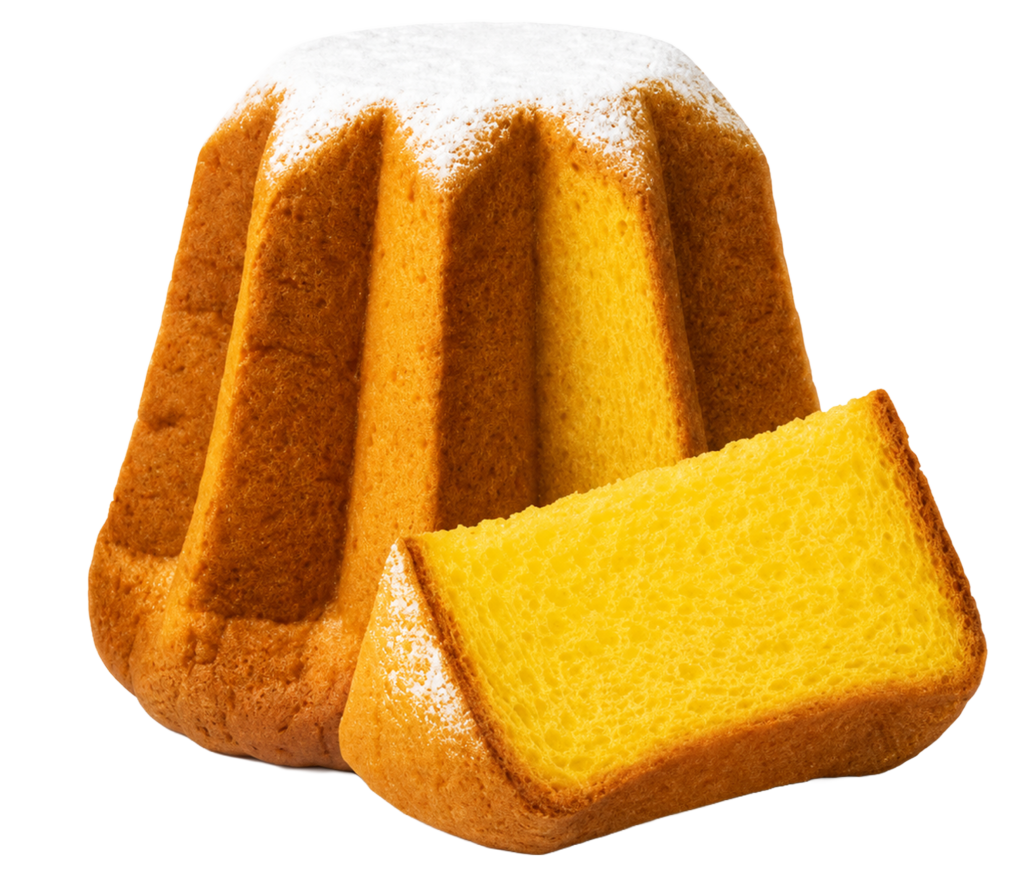
Unlike Panettone, Pandoro does not contain raisins or candied fruit. Instead, its rich, buttery dough delivers a delicate sweetness and exceptionally soft, cake-like texture.
Traditionally baked in a tall, eight-pointed star-shaped mold, Pandoro is generously dusted with powdered sugar before serving. The finished bread resembles a snow-covered mountain peak, making it a festive centerpiece for the Christmas table.
Pandoro is delicious on its own, but its simple flavor also makes it the perfect base for creative desserts, sweet toppings and holiday breakfasts.
From its festive appearance to its rich, delicate flavor, these qualities make Pandoro a beloved Italian holiday tradition.
Its tall, star-shaped design creates a beautiful silhouette and a distinctive presentation when sliced.
Enriched with butter and eggs, Pandoro has a soft golden interior and delicate, rich flavor without dried fruit.
A generous dusting of powdered sugar creates Pandoro's iconic snow-covered appearance during the holidays.
Serve plain or with mascarpone, chocolate sauce or berries. Leftover slices are also delicious in French toast and bread pudding.
Celebrate the Italian holiday season with traditional Panettone and Pandoro from our family of brands. Explore our selection of classic and specialty Italian Christmas desserts.
Discover Ferrara's traditional Italian holiday specialties, perfect for sharing with family and friends during the Christmas season.
View Products
Explore Bellino's selection of traditional and specialty Panettone and Pandoro, bringing the flavor of Italian holiday celebrations to your table.
View Products
Experience a traditional Italian holiday specialty from La Florentine, bringing a taste of Italy's cherished dessert traditions to your celebrations.
View ProductsFrom Christmas Eve seafood to Christmas Day gatherings and a sweet taste of Tuscany, discover more Italian traditions to share around the table.
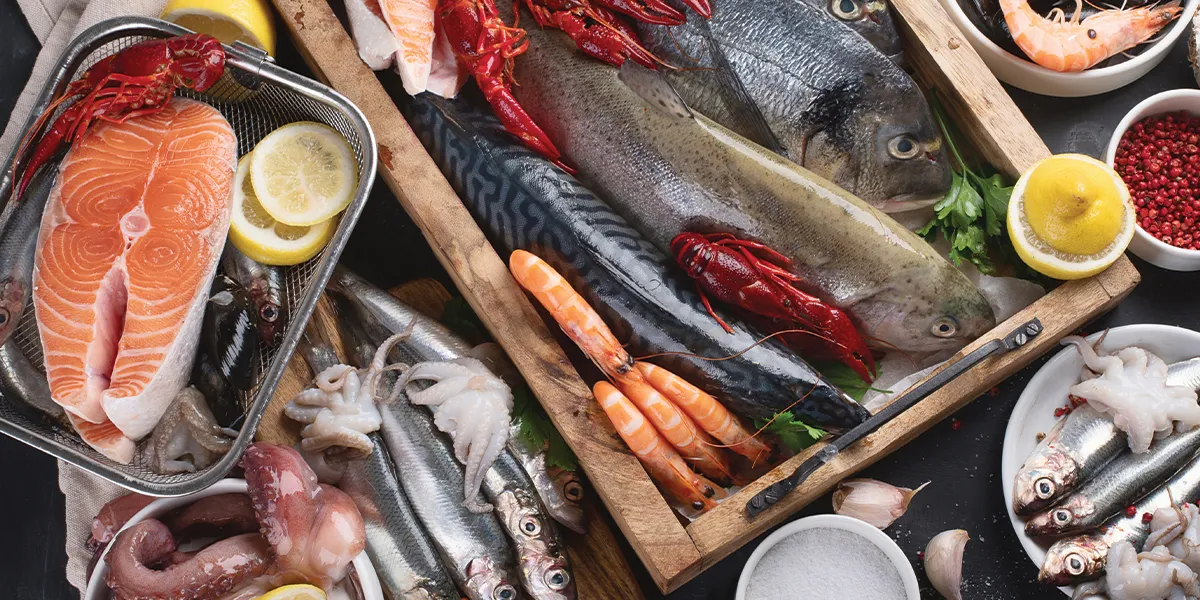
Discover the Italian Christmas Eve tradition of the Feast of the Seven Fishes, with seafood dishes made for gathering, sharing, and celebrating.
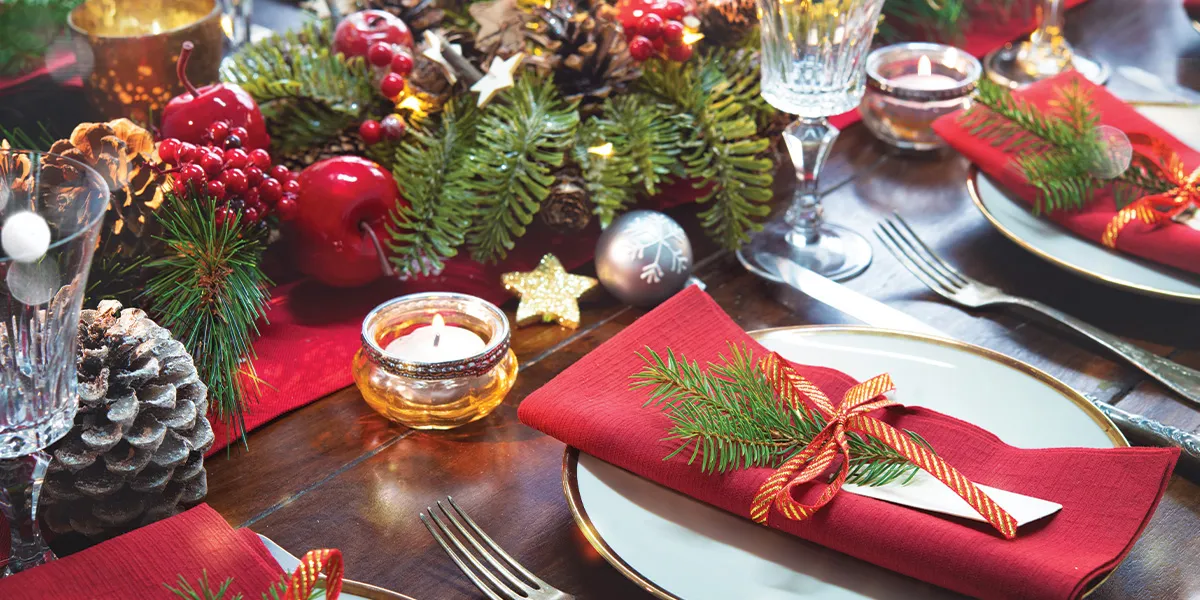
Explore Pranzo di Natale, the traditional Italian Christmas lunch, with a festive menu of antipasti, pasta, main courses, sides, and desserts.
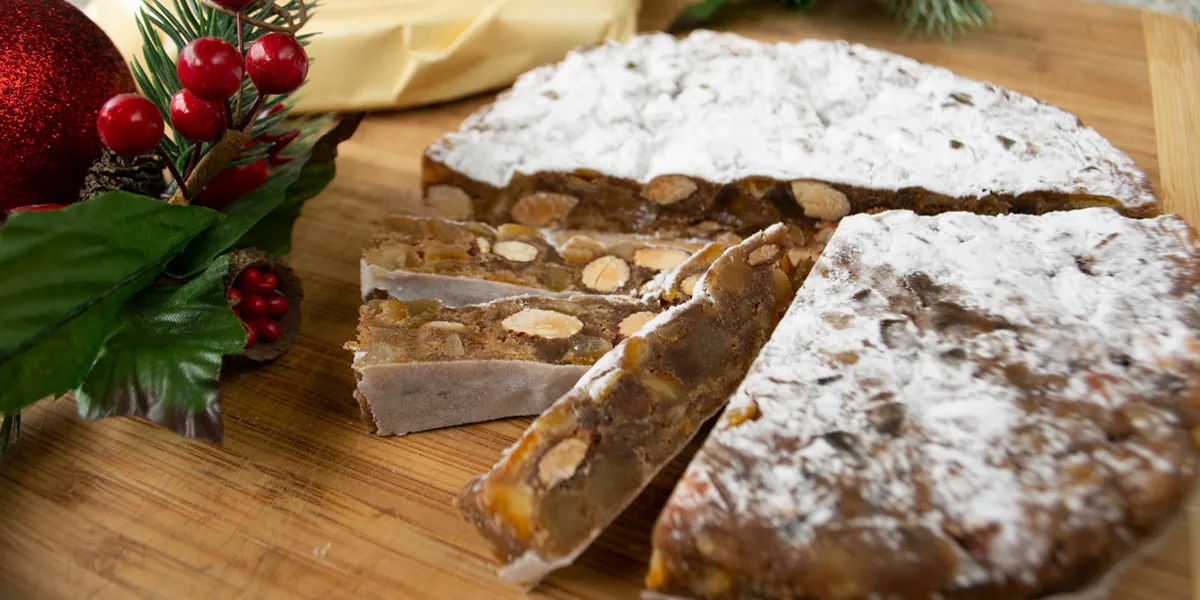
Discover Siena’s traditional fruit and nut confection, made with honey, candied fruit, and warm spices. Explore its history and place at the Italian holiday table.