Natural Fermentation
Early forms of vinegar developed naturally through the fermentation of fruits and grains, introducing an ingredient that became part of food traditions around the world.

Vinegar has been a staple in kitchens around the world for thousands of years, valued for its versatility and ability to enhance the flavor of everyday dishes. From brightening salad dressings and marinades to balancing rich sauces and preserving foods, vinegar brings a distinctive acidity that complements countless ingredients.
Made through a natural fermentation process, vinegar comes in a variety of styles, each offering its own flavor, color and character. Discover the history, production methods and differences between popular varieties, along with tips for choosing the right vinegar for your next recipe.
Used for thousands of years across different cultures and cuisines, vinegar has evolved from a naturally fermented ingredient into an essential part of kitchens around the world.
Vinegar has a long history dating back thousands of years and has been used by civilizations across Europe, Asia and the Middle East. Early forms of vinegar were discovered naturally during the fermentation of fruits and grains.
It quickly became valued for both culinary and preservation purposes. Throughout history, vinegar was used not only in cooking but also in food storage and traditional remedies.
As production methods improved, different regions developed their own signature vinegars using local ingredients and aging techniques. Today, vinegar remains an essential ingredient in cuisines worldwide.
Early forms of vinegar developed naturally through the fermentation of fruits and grains, introducing an ingredient that became part of food traditions around the world.
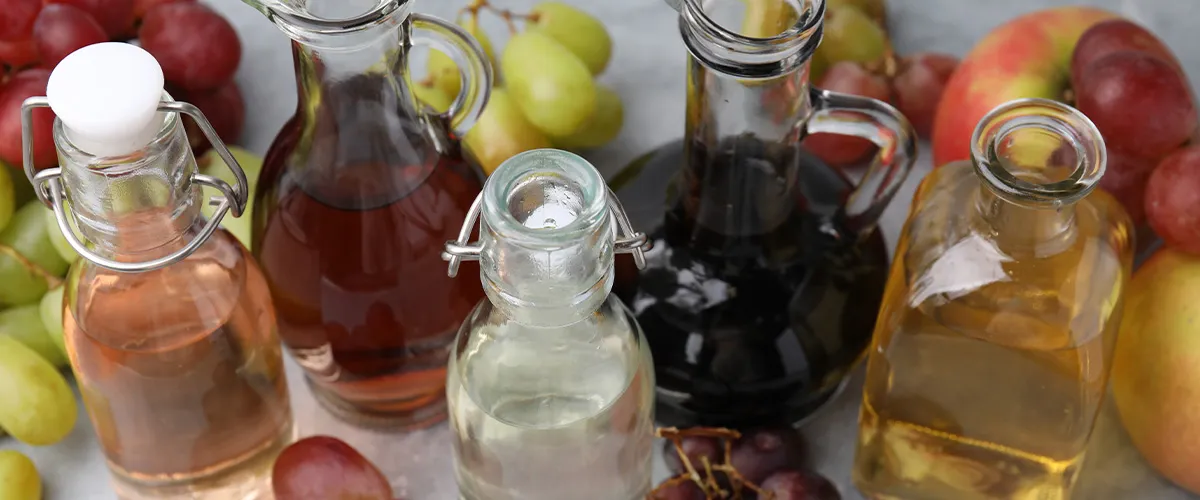
Civilizations valued vinegar for enhancing food and helping preserve ingredients. It became an important part of everyday cooking, storage and traditional preparations.
As techniques evolved, regions began using local ingredients and aging methods to develop distinct vinegars, each with its own flavor, aroma and culinary applications.
Vinegar is created through a natural fermentation process that converts sugars into alcohol and then into acetic acid. This transformation produces vinegar's distinctive tangy flavor and acidity.
Different vinegars begin with different ingredients. Each provides the foundation for the final vinegar's distinctive character and flavor.
While exact methods vary by variety, most vinegars follow four general stages that develop their acidity, flavor and character.
Yeast converts natural sugars from fruits or grains into alcohol, creating the foundation for vinegar production.
Beneficial bacteria convert the alcohol into acetic acid, giving vinegar its signature tangy flavor and aroma.
Depending on the variety, vinegar may be blended or matured in barrels to develop greater depth, sweetness and complexity.
The finished vinegar is filtered as appropriate, tested and bottled to maintain a consistent flavor profile before reaching your kitchen.
Time plays an important role in the character of many vinegars, especially balsamic vinegar. As vinegar matures, its flavor and texture can become smoother, richer and more complex.
Aging plays an important role in the flavor and texture of many vinegars, particularly balsamic vinegar. Over time, vinegar can develop greater complexity, a smoother texture and a more concentrated flavor.
Some vinegars are bottled soon after fermentation, while others mature in wooden barrels. As the vinegar ages, its character changes, allowing richer flavors and a more rounded profile to develop.
The aging process is one of the key reasons different vinegars can vary so widely in taste, aroma, color and consistency.
Proper aging influences several qualities that give mature vinegars their distinctive character.
Aging can concentrate and develop the natural sweetness present in certain vinegars, particularly balsamic.
The sharpness of vinegar can become more rounded and balanced as it matures.
Additional time allows layers of flavor to develop, creating greater richness and complexity.
During certain aging processes, vinegar becomes more concentrated, developing a fuller texture and consistency.
Aging can produce a more layered and refined aroma that complements the vinegar's finished flavor.
From rich balsamic vinegar to bright red wine and apple cider varieties, Cento offers carefully selected vinegars that bring distinctive flavor and versatility to your favorite recipes.
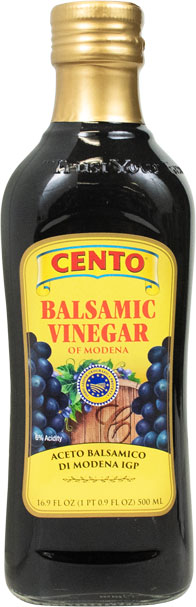
A classic Italian balsamic with a balanced sweet and tart flavor, ideal for salads, marinades and everyday cooking.
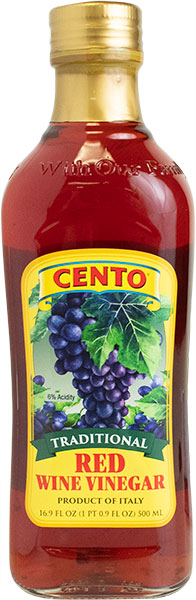
Bright, bold acidity made from red wine vinegar, perfect for vinaigrettes, marinades and Mediterranean-inspired dishes.
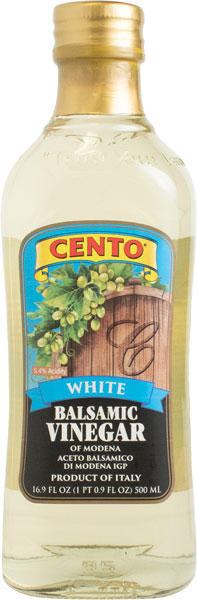
Made from Italian white wine vinegar and white grape must, offering a delicate flavor for dressings, vegetables and lighter sauces.
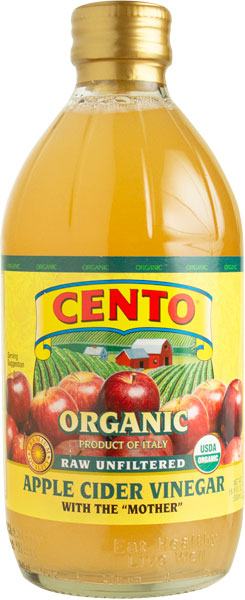
Raw, unfiltered organic apple cider vinegar with a naturally fruity character, ideal for salads, marinades and everyday recipes.
Packaging, nutrition facts and ingredient statements are
subject to change. For the most up to date information
regarding a product, please refer to the product’s packaging.