Italian tomato sauce and passata
THE ESSENTIAL ITALIAN TOMATO GUIDE

Discover the Beauty of Passata.

Smooth, rich and naturally flavorful, Italian passata is one of the most versatile ingredients in the kitchen. Made from carefully selected tomatoes, its silky texture and vibrant tomato flavor make it a staple in countless Italian recipes.

From understanding how passata is made to discovering what sets it apart from other tomato products, explore why this simple Italian essential deserves a place in your pantry.

THE ITALIAN TOMATO ESSENTIAL

What Is Passata?

Simple ingredients, authentic Italian flavor and endless possibilities in the kitchen. Discover what makes passata a staple of traditional Italian cooking.

SIMPLE BY NATURE

Smooth, Pure Tomato Flavor.

Passata is a smooth, sieved tomato purée made from ripe Italian tomatoes. The tomatoes are processed to remove skins and seeds, creating a silky consistency that makes passata an ideal foundation for homemade sauces, soups, stews and countless other recipes.

Cento Traditional Passata is made with Italian tomatoes and sea salt, allowing the natural flavor of the tomatoes to shine without added sugar, herbs or a prepared sauce's seasonings.

ROOTED IN ITALIAN TRADITION

A Tradition Passed Down.

Passata has long been part of Italian home cooking. During the height of tomato season, families would gather to prepare and preserve ripe tomatoes, capturing their vibrant flavor to enjoy throughout the year.

The word passata comes from the Italian verb passare, meaning "to pass." It refers to the process of passing tomatoes through a sieve or mill to separate the smooth purée from the skins and seeds.

A Tomato Ingredient, Not a Prepared Sauce.

Although passata comes conveniently packaged in a glass jar, it is designed to be used as an ingredient. Season it, simmer it or use it as the starting point for your favorite Italian dishes.

FROM TOMATO TO JAR

How It's Made.

Passata begins with ripe Italian tomatoes, carefully prepared to capture their natural flavor. From selecting and washing to straining, hot filling and sealing, each stage helps deliver a smooth, versatile tomato ingredient ready for your kitchen.

01 STEP ONE

Selected & Sorted

Ripe Italian tomatoes are carefully selected and sorted to remove fruit that doesn't meet quality standards.

02 STEP TWO

Washed & Blanched

The tomatoes are thoroughly washed and briefly heated to prepare them for processing.

03 STEP THREE

Crushed & Strained

The tomatoes are crushed and passed through a sieve to separate the skins and seeds, creating a smooth purée.

05 STEP FIVE

Sealed & Jarred

Filled jars are sealed and cooled, helping preserve the quality of the passata until it's ready to enjoy.

WHY IT MATTERS

What Is Hot Filling?

Hot filling is a preservation process in which the passata is heated before being transferred into glass jars. The product is filled while hot and the jars are sealed.

When carried out under controlled processing conditions, this method helps support product safety and shelf stability while maintaining the tomato flavor and consistency that make passata so versatile.

KNOW YOUR TOMATOES

What's the Difference?

From smooth passata to concentrated tomato paste, every tomato product has a different texture and purpose. Understanding these differences helps you choose the right ingredient for your favorite recipes.

RUSTIC & HEARTY
Cento Canned Tomatoes

Canned Tomatoes

Whole, diced or crushed tomatoes packed for convenience. Depending on the variety, they offer more texture and tomato pieces than smooth passata.

Texture Whole, chunky or crushed
Flavor Natural tomato flavor
Best For Rustic sauces, stews, soups and slow-cooked dishes
COOKED & SEASONED
Cento Tomato Sauce

Tomato Sauce

A cooked tomato-based product that may include seasonings or other ingredients. Prepared pasta sauces often have a more developed, ready-to-use flavor.

Texture Smooth to slightly textured
Flavor Cooked, sometimes seasoned
Best For Quick pasta dishes, simmering and ready-made meals
RICH & CONCENTRATED
Cento Tomato Paste

Tomato Paste

Tomatoes cooked down into a thick, concentrated paste. A small amount adds deep tomato flavor and richness to sauces, soups and savory dishes.

Texture Very thick and concentrated
Flavor Intense, rich tomato flavor
Best For Building flavor in sauces, soups, stews and braises
WHY CHOOSE PASSATA?

Smooth Texture. Endless Possibilities.

When a recipe calls for a smooth tomato base without chunks or heavy seasoning, passata is an excellent choice. Its silky consistency blends easily into sauces, soups and other dishes.

Unlike tomato paste, passata doesn't need to be diluted to create a sauce. And unlike prepared pasta sauces, it gives you the freedom to build your own flavor with herbs, spices and other ingredients.

KEEP EXPLORING

Find the Right Tomato for Every Recipe.

Want to learn more about the different types of canned tomatoes and when to use each one? Explore our Canned Tomato Guide for helpful tips on choosing the right tomato product for your kitchen.

Explore Our Canned Tomato Guide
FROM JAR TO TABLE

Cooking With Passata.

Passata's smooth texture and vibrant tomato flavor make it one of the most adaptable ingredients in Italian cooking. From simple weeknight meals to slow-simmered favorites, there are countless ways to put it to use.

01 / PASTA

Pasta Sauces

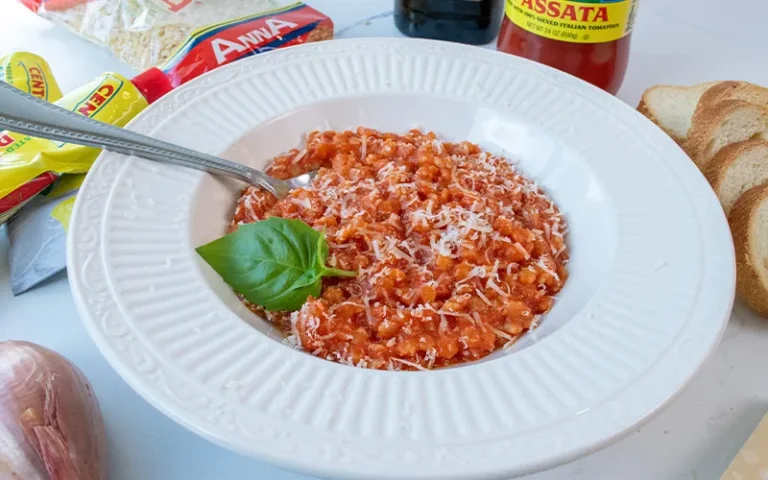
Simmer passata with olive oil, garlic and fresh basil for a simple tomato sauce. Add vegetables, meat or cream to make it your own.

02 / PIZZA

Pizza Sauce

Season passata with olive oil, salt and oregano for a smooth sauce that's easy to spread across homemade pizza dough.

03 / SOUPS

Soups & Stews

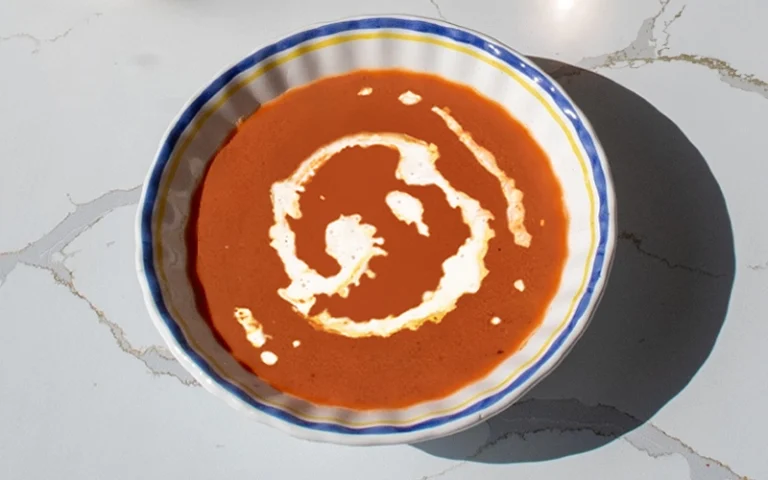
Add passata to vegetable soup, minestrone or hearty stews for rich tomato flavor without chunky tomato pieces.

04 / BRAISING

Braised Dishes

Build a flavorful cooking liquid for chicken, beef or vegetables with passata, stock, herbs and aromatics.

05 / BAKING

Baked Pasta

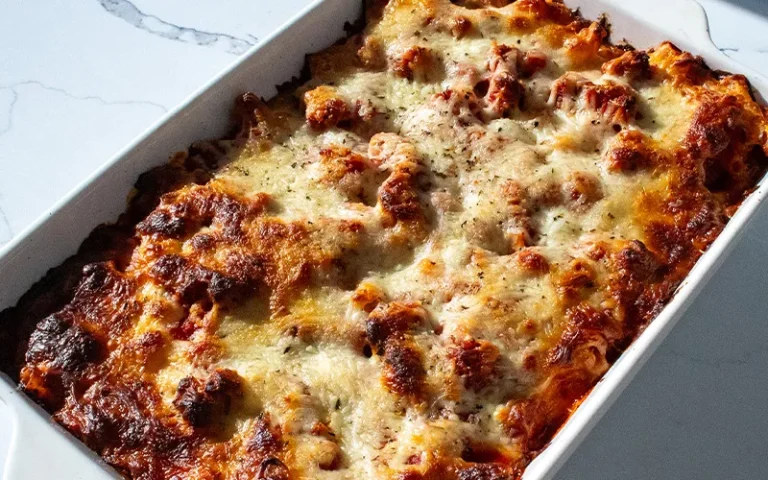
Layer passata-based sauce with pasta, ricotta and mozzarella for comforting baked ziti, lasagna and casseroles.

06 / SIMMERING

Slow-Cooked Sauces

Let passata simmer gently with meat, vegetables and seasonings to create deep, developed flavor while retaining a smooth base.

MADE WITH CENTO

Put Passata to Work.

Looking for inspiration? Try these Cento recipes featuring the smooth, rich flavor of passata.

MAKE THE MOST OF EVERY JAR

Storing & Using Passata.

A few simple storage tips can help you maintain the quality of your passata and make the most of every jar.

PANTRY STORAGE

Before Opening

Store unopened jars in a cool, dry place away from direct sunlight and excessive heat. Always check the best-by date and storage instructions on the label.

REFRIGERATION

After Opening

Refrigerate passata promptly after opening. Keep it tightly covered in its original jar or a clean, food-safe container, and use it within the timeframe specified on the product label.

SAVE FOR LATER

Freezing Leftovers

Have some passata left over? Divide it into small portions and freeze in airtight, freezer-safe containers. Thaw in the refrigerator before using in your next recipe.

A HELPFUL KITCHEN TIP

Save a Little. Make Something Great.

Leftover passata is perfect for adding tomato flavor to soups, quick pasta sauces and braised dishes. Freezing it in small portions makes it easy to use just what you need without opening another jar. For the best quality, always follow the storage guidance on your Cento product label.

EXPLORE CENTO PASSATA

Our Passata Collection.

From silky-smooth Traditional Passata to the hearty texture of Rustica, explore three ways to enjoy authentic Italian tomato flavor. Discover the right passata for your favorite recipes.

Nutrition Facts

Servings Per Container
Serving Size
Calories
% Daily Value*
Total Fat
Trans Fat
Saturated Fat
Polyunsaturated Fat
Monounsaturated Fat
Cholesterol
Sodium
Total Carbohydrate
Dietary Fiber
Total Sugars 0g
Includes Added Sugars
Protein
Vitamin D
Calcium
Iron
Potassium
INGREDIENTS:

Packaging, nutrition facts and ingredient statements are
subject to change. For the most up to date information
regarding a product, please refer to the product’s packaging.