A Gift Fit for Royalty
One of the earliest recorded references to balsamic vinegar dates to 1046, when it was presented as a gift to Emperor Henry III. Already considered a prized specialty, balsamic was reserved for important occasions.

Balsamic vinegar is a distinctive Italian specialty known for its rich flavor, subtle sweetness and carefully developed balance of acidity. From everyday vinaigrettes to finishing a favorite Italian dish, it brings depth and character to a wide variety of recipes.
At the heart of balsamic vinegar is grape must, the juice obtained from freshly pressed grapes. Different production and aging methods create the flavors, colors and consistencies that distinguish traditional balsamic from other varieties.
Discover the history, craftsmanship and versatility behind balsamic vinegar, including how it is made and when to choose traditional or white balsamic for your favorite dishes.
Balsamic vinegar has a long and celebrated history in Italy. Once regarded as a prized luxury, it became a symbol of tradition, hospitality and family heritage before gaining popularity in kitchens around the world.
One of the earliest recorded references to balsamic vinegar dates to 1046, when it was presented as a gift to Emperor Henry III. Already considered a prized specialty, balsamic was reserved for important occasions.
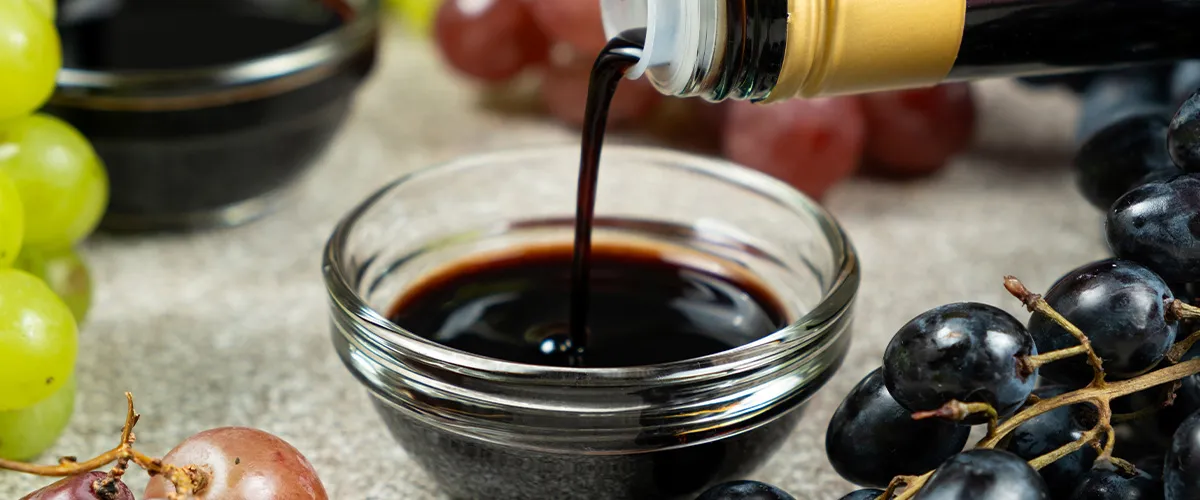
Barrels of balsamic vinegar became meaningful family gifts, sometimes marking weddings or the birth of a child. Families carefully maintained their vinegar and passed their knowledge of aging from one generation to the next.
Balsamic vinegar began gaining popularity outside Italy as chefs introduced its distinctive flavor to a wider audience. Its versatility soon made it an increasingly sought-after ingredient.
Today, balsamic vinegar is enjoyed around the world in everything from salads and marinades to glazes and desserts. Its Italian heritage continues to shape how it is produced and appreciated.
For generations, the art of making balsamic vinegar was closely tied to family tradition. Aging barrels were carefully tended, allowing the vinegar to gradually develop its characteristic flavor, aroma and complexity.
The knowledge behind this process was passed down through families, helping preserve the craftsmanship associated with traditional balsamic vinegar.
While balsamic vinegar is now widely available, varieties differ in their ingredients, production methods and aging. Understanding these differences helps explain why certain balsamic vinegars develop greater depth and complexity than others.
A tradition worth preserving. From carefully aged family barrels to today's Italian kitchens, balsamic vinegar continues to represent the craftsmanship and culinary heritage of Italy.
Making balsamic vinegar begins with selecting quality grapes and carefully transforming their juice into grape must. From cooking and blending to aging in wooden barrels, each stage helps develop the flavor and character of the vinegar.
Grapes are selected at peak freshness and carefully harvested to begin the production process.
The grapes are pressed into grape must, then cooked until reduced to approximately one third of its original volume.
Cooked grape must is blended with wine vinegar and aged in wooden barrels for months or years, allowing the flavor to develop.
Once the desired taste is achieved, the vinegar is tested, approved, bottled and prepared for distribution.
The process starts with freshly harvested grapes, which are sorted and pressed to produce grape must. The must is cooked for hours, reducing its volume and concentrating its natural sugars and flavor.
The cooked grape must is then combined with wine vinegar and transferred to selected wooden barrels. As it ages, the vinegar gradually develops its distinctive balance of acidity, sweetness and complexity.
Once the desired flavor has been achieved, the vinegar is evaluated and approved before being bottled and distributed.
Patience brings out the flavor. From freshly pressed grapes to carefully aged vinegar, the production process shapes the distinct sweetness, acidity and complexity of balsamic vinegar.
Balsamic vinegar and white balsamic vinegar begin with the same foundation: fresh grapes pressed into grape must. What sets them apart is how they are processed and aged, creating two distinct flavor profiles with different colors, consistencies and culinary uses.
Traditional balsamic vinegar is known for its deep brown color, concentrated sweetness and complex flavor. Cooking the grape must and aging it in wooden barrels help develop its rich character.
Its bold taste complements savory dishes, aged cheeses and finished recipes that benefit from a touch of sweetness and acidity.
White balsamic vinegar is processed at lower temperatures to help limit caramelization and preserve its pale golden appearance. It is typically aged for a shorter period.
Its mild sweetness and bright acidity make it an excellent choice for fresh salads, seafood and delicate dishes where a darker vinegar may alter the presentation.
| Feature | Traditional Balsamic | White Balsamic |
|---|---|---|
| Flavor Profile | Rich, sweet and complex | Light, crisp and slightly sweet |
| Color | Dark brown | Pale golden |
| Best For | Glazes, marinades and finishing dishes | Vinaigrettes, seafood and vegetables |
| Pairs Well With | Steak, chicken and aged cheeses | Fish, fresh cheeses and salads |
| Appearance | Adds rich color to dishes | Maintains the natural colors of ingredients |
| Ideal Uses | Caprese, grilled meats and reductions | Green salads, roasted vegetables and fruit |
Both have a place in your kitchen. Choose traditional-style balsamic for a deeper, more pronounced flavor, or white balsamic when you want bright acidity and subtle sweetness without changing the color of your dish.
White balsamic vinegar offers the familiar balance of sweetness and acidity associated with balsamic vinegar, but with a lighter color and a more delicate flavor. It is especially useful in recipes where you want to enhance the ingredients without changing their natural appearance.
White balsamic vinegar is known for its light golden color, mild sweetness and bright acidity. These qualities make it particularly well suited to fresh ingredients and lighter dishes.
From salad dressings to seafood and roasted vegetables, it adds a gentle balsamic flavor without the darker appearance of traditional balsamic vinegar.
Its versatility also makes it an excellent ingredient for marinades, chicken dishes, fruit salads and fresh cheeses.
Adds bright acidity to leafy greens, tomatoes and seasonal vegetables.
Complements delicate seafood without overpowering its natural flavor.
Brings a subtle sweet-tart finish to roasted seasonal vegetables.
Adds balanced flavor to chicken marinades, sauces and pan dishes.
Mixes beautifully with olive oil, herbs and seasonings for dressings.
Pairs with fresh cheeses and complementary savory bites.
Balances the sweetness of fresh fruit with gentle acidity.
Combines with oil and herbs for chicken, vegetables and more.
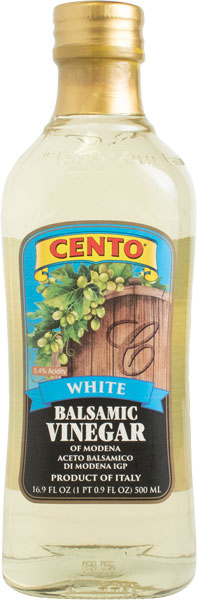
Made from a blend of Italian white wine vinegar and the must of white grapes, Cento White Balsamic Vinegar brings a light, balanced flavor to a variety of dishes.
Perfect for salads and white sauces, it also pairs well with vegetables, risotto, chicken and pasta dishes.
16.9 FL OZ View ProductFrom the bold, rich flavor of Balsamic Vinegar of Modena to the delicate sweetness of White Balsamic, Cento offers a selection of balsamic vinegars for a variety of culinary creations. Explore our collection and discover the perfect finishing touch for your favorite Italian dishes.

Packaging, nutrition facts and ingredient statements are
subject to change. For the most up to date information
regarding a product, please refer to the product’s packaging.