Crop Rotation
Rotating crops helps balance nutrient use, maintain soil fertility and reduce erosion across successive growing seasons.
At Cento, we recognize the importance of sustainability and protecting our environment while providing high-quality, natural products. From responsible farming practices to carefully selected ingredients, our commitment to organic standards reflects our dedication to quality at every step.
Crop rotation plays an important role in preserving healthy farmland. By growing different crops in the same area over successive seasons, farmers can help reduce soil erosion, improve soil stability and maintain fertility. We continue to expand our organic offerings, with every product in the Cento Organic line carrying the USDA Certified Organic seal.
Organic farming focuses on working with nature rather than against it. Through thoughtful growing methods and responsible agricultural practices, organic farmers help maintain healthy crops, preserve natural resources and support the long-term health of the land.
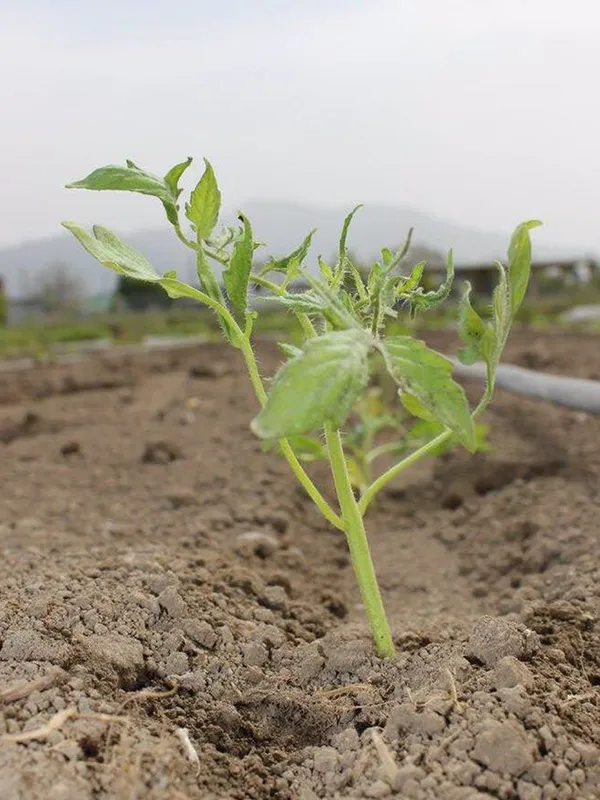
Organic farming avoids the routine use of synthetic pesticides and chemical fertilizers, favoring approved natural and sustainable methods to support crop growth. Farmers use techniques such as crop rotation, beneficial insects and natural soil enrichment to help maintain healthy farmland.
Crop rotation is especially important because different crops require different nutrients. By growing a variety of crops in the same area over successive seasons, farmers can help preserve soil fertility, limit erosion and support long-term soil health.
These practices reflect a thoughtful approach to agriculture that benefits the land while helping maintain the quality and integrity of the food it produces.
Rotating crops helps balance nutrient use, maintain soil fertility and reduce erosion across successive growing seasons.
Organic growing methods can encourage beneficial insects that help manage pests and support a balanced agricultural ecosystem.
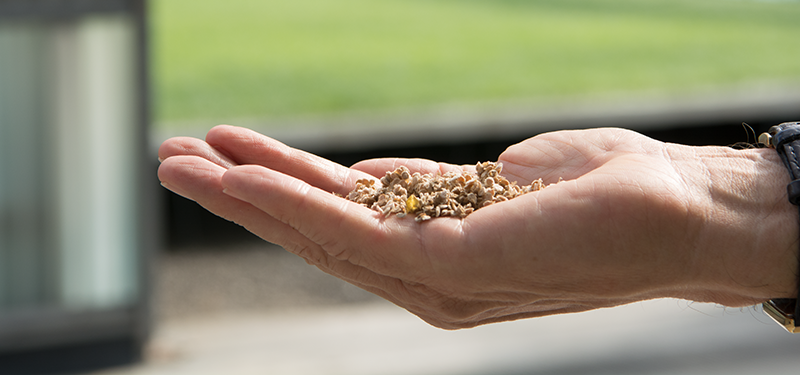
Approved soil amendments and organic matter help support healthy soil structure and provide nutrients for continued crop growth.
The USDA Organic seal helps consumers identify products that meet established organic production and handling standards. At Cento, we continue to expand our collection of organic offerings while maintaining the authentic flavors and premium quality our customers expect.
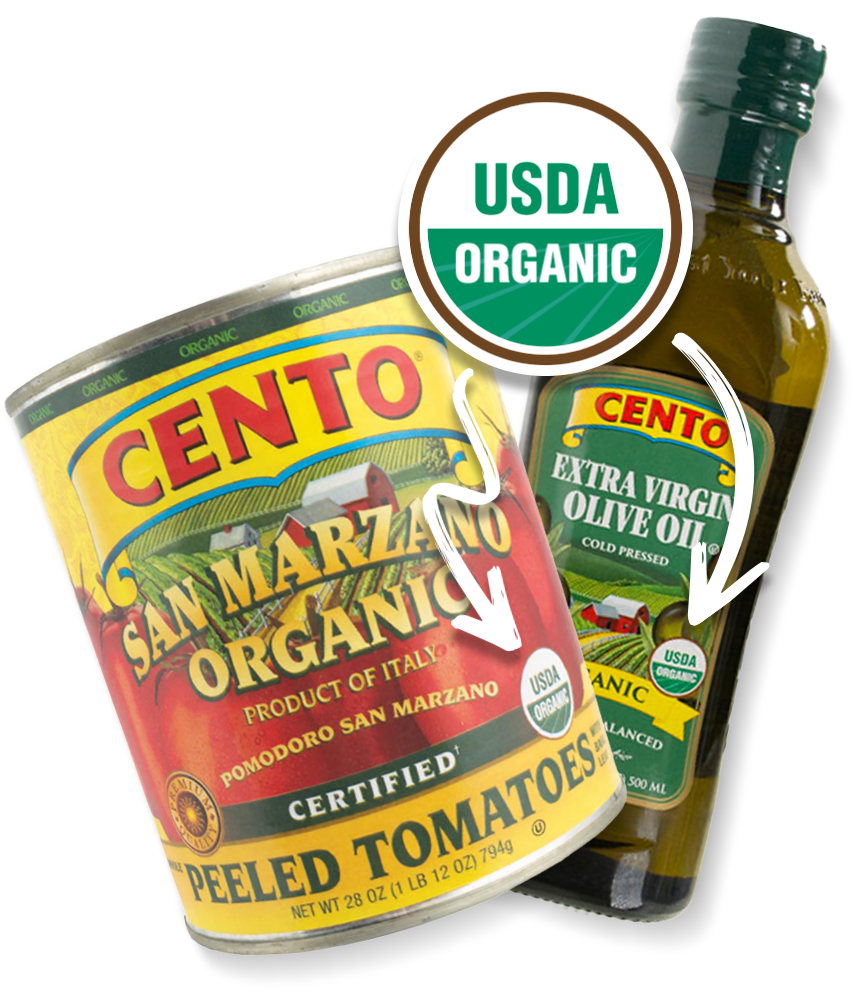
USDA organic certification means that a product has been produced and handled according to federal organic regulations, with oversight from an accredited certifying agent.
These standards cover agricultural practices, approved ingredients, processing methods and the handling of organic products throughout production.
All products in the Cento Organic line carry the USDA Organic seal, giving customers a recognizable way to identify certified organic options when shopping for their favorite pantry essentials.
Organic certification involves review and oversight by accredited certifying agents to confirm compliance with USDA requirements.
Products labeled "Organic" must contain at least 95% organic ingredients, excluding salt and water, with restrictions on remaining ingredients.
Organic standards promote practices that support soil health, ecological balance, resource conservation and responsible production.