Choose the Right Cut
Different pasta shapes are designed to carry sauces in unique ways. Choose a cut that complements your sauce and the other ingredients in your dish.

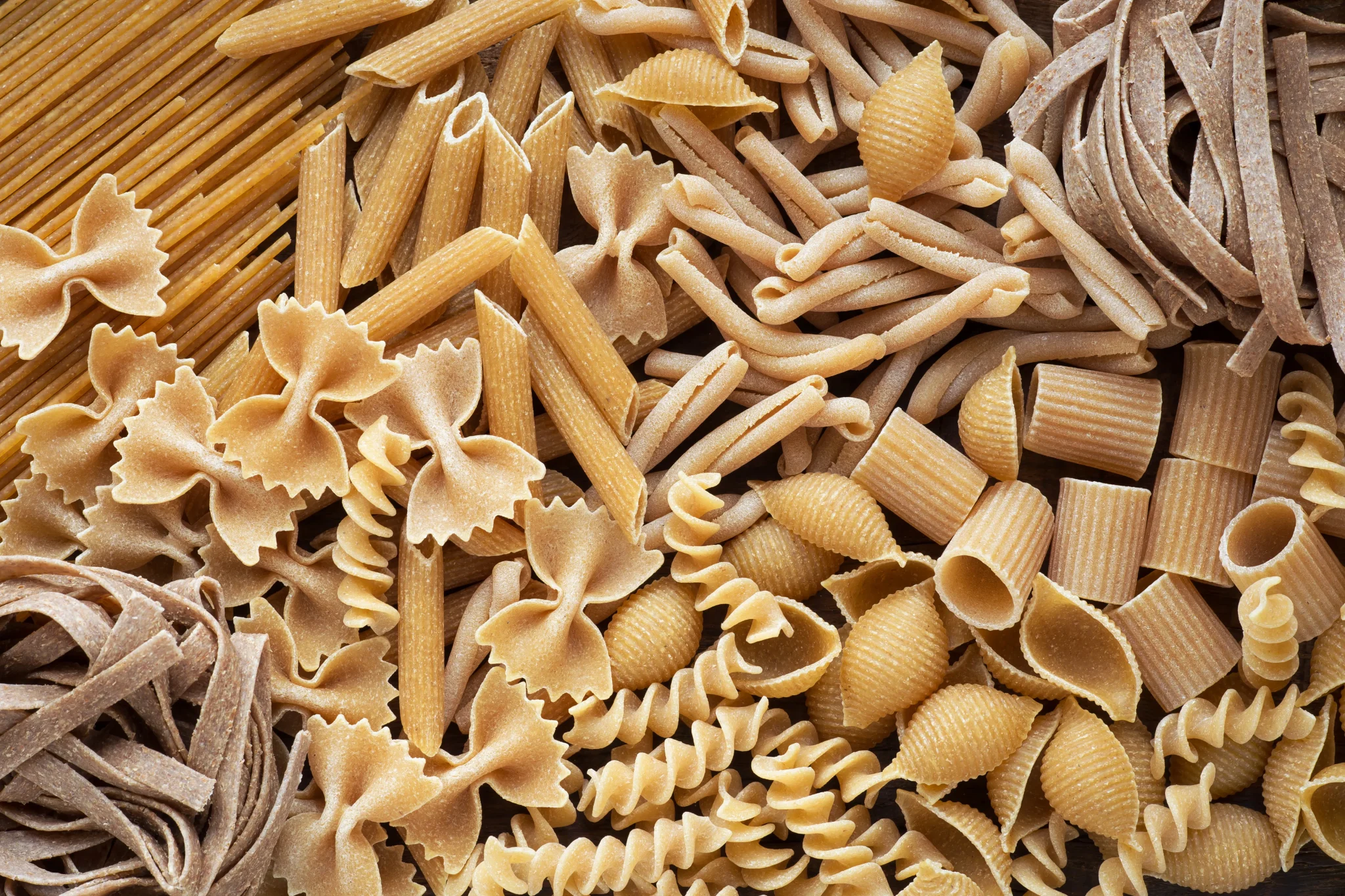
From delicate strands to hearty, ridged shapes, every pasta cut serves a purpose. Some hold light sauces beautifully, while others are designed to capture rich sauces in their curves and hollow centers.
Choosing the right pasta can transform an everyday meal. Explore our guide to preparing and cooking pasta, understanding sauce pairings, and discovering the unique characteristics of eight popular pasta-cut categories.
Great pasta starts with proper cooking techniques. From choosing the right pot to seasoning the water, small details can make a big difference in the final dish.
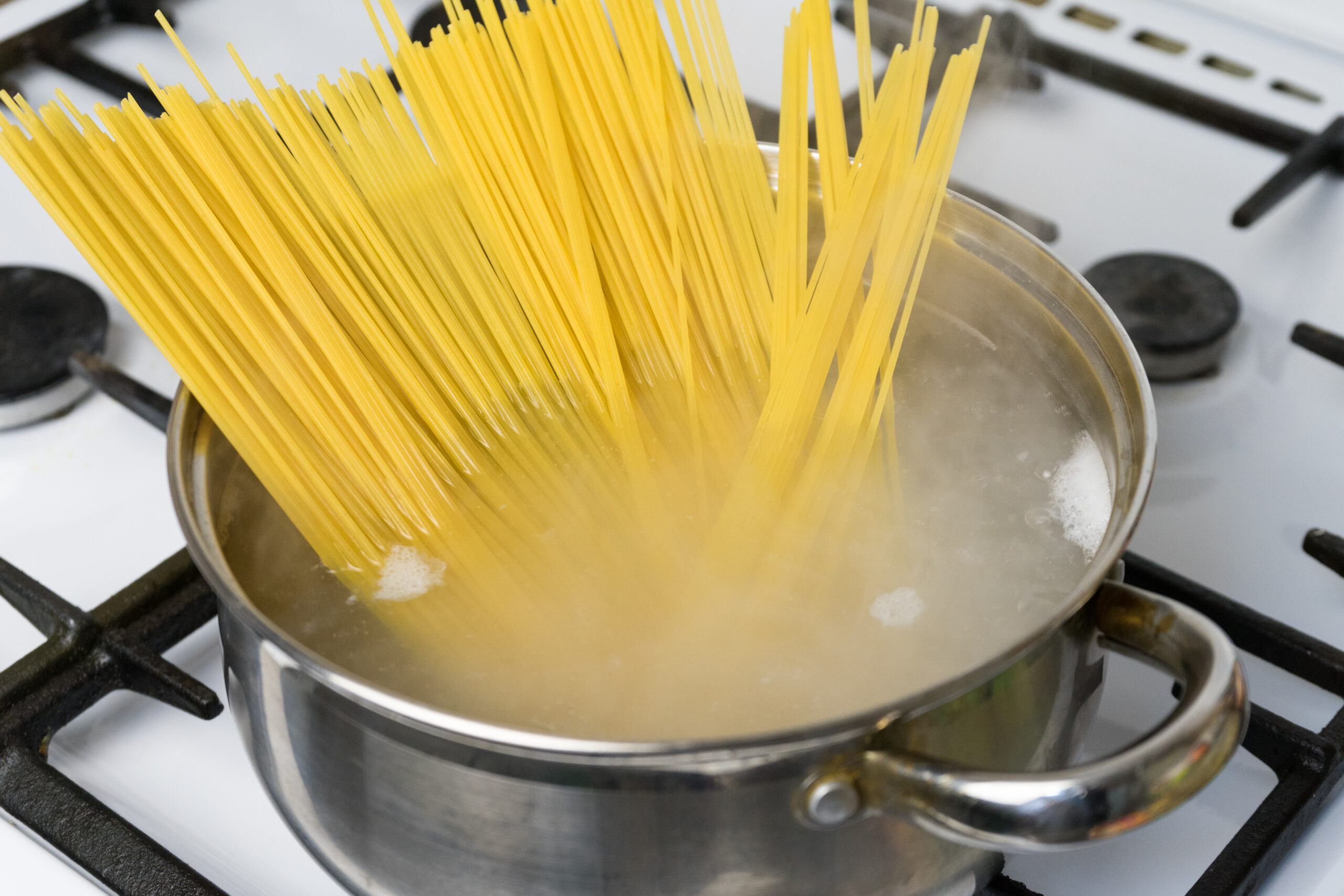
When cooking pasta, there is no single cooking time that works for every shape. Different cuts require different amounts of time, and fresh pasta generally cooks faster than dried pasta.
Make sure your pot is large enough for the pasta to move freely while cooking. Check for doneness regularly and follow the recommended cooking time for your chosen pasta.
Before draining, reserve some of the pasta cooking water. This starchy water can be added to your sauce later to help loosen it and bring the pasta and sauce together.
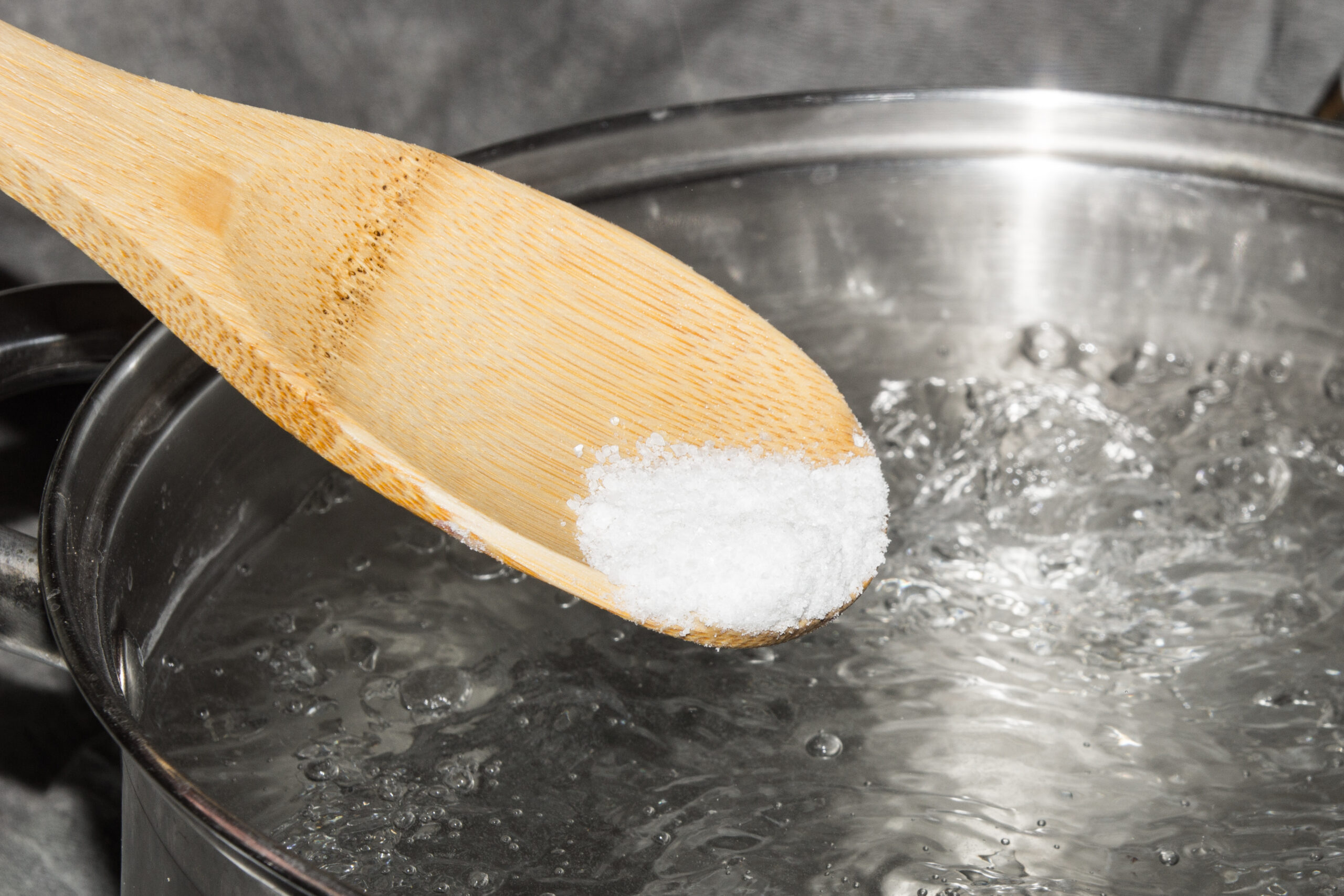
Salting your pasta water is an important part of developing flavor. Too much salt can overpower the finished dish, while too little can leave the pasta tasting bland.
The goal is to properly season the pasta as it cooks, creating a flavorful foundation for whichever sauce you choose to serve.
Keep these simple principles in mind every time you prepare pasta.
Different pasta cuts cook at different rates. Fresh pasta cooks faster than dried.
Give your pasta plenty of room to move freely as it cooks.
Reserve some cooking water before draining to adjust your sauce later.
Salt the cooking water to build flavor without overpowering the dish.
From long cuts that wrap and cling to silky sauces to ribbons that carry richness and texture, every pasta category brings something unique to the table.
Explore the shapes, characteristics and sauce pairings that make each pasta cut special, then discover the matching Anna pasta products.
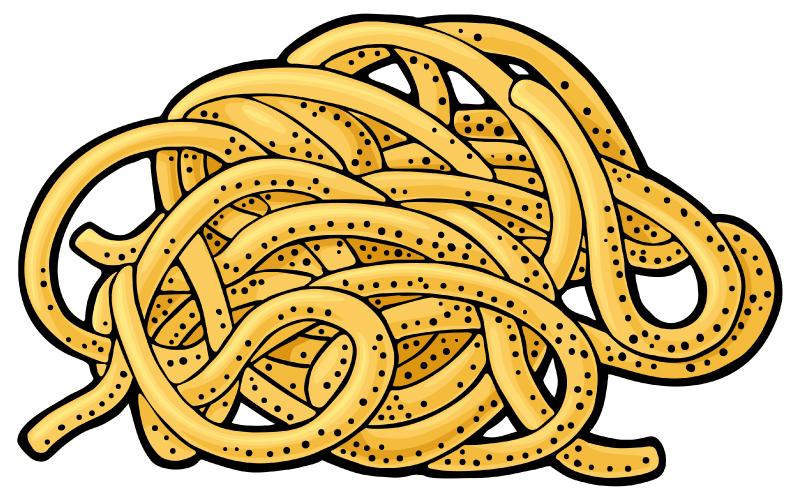
Long, thin pasta such as spaghetti and linguine is ideal for simple dishes with tomato sauce, basil and lighter sauces.
Thin Sauces
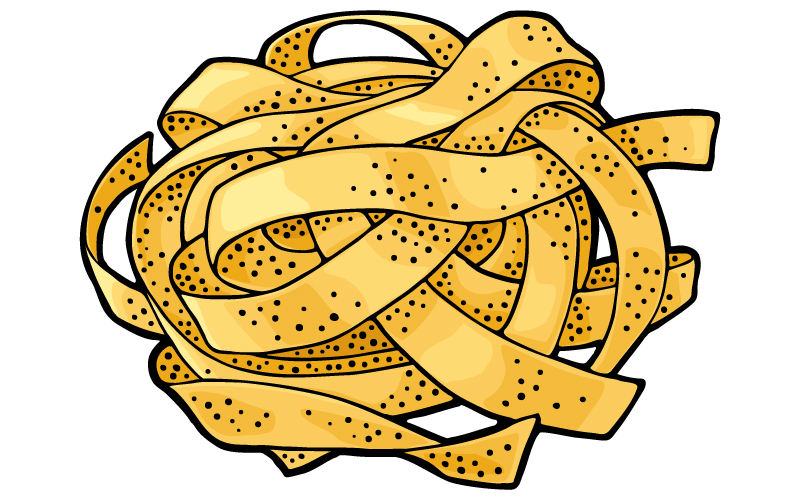
Wide ribbon-shaped cuts carry rich, substantial sauces beautifully, making them a favorite for hearty pasta dishes.
Meat & Heavy Sauces
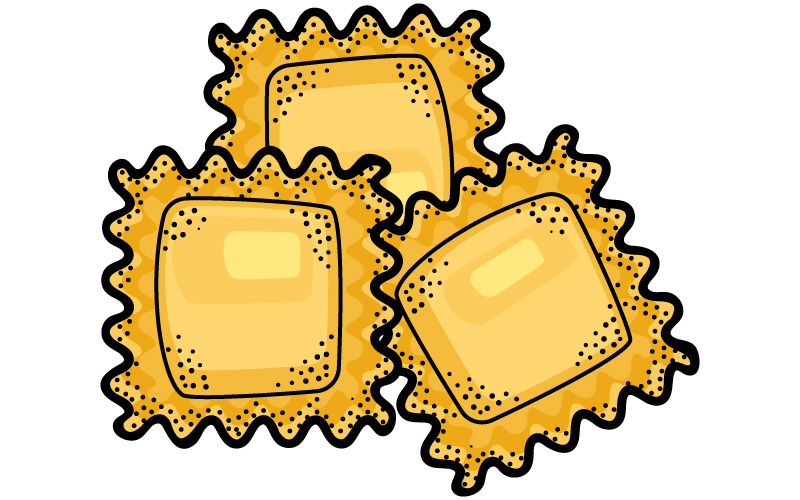
Stuffed pasta is formed to hold fillings such as cheese, meats, vegetables or seafood, creating a satisfying dish in every bite.
Creamy & Thick Sauces
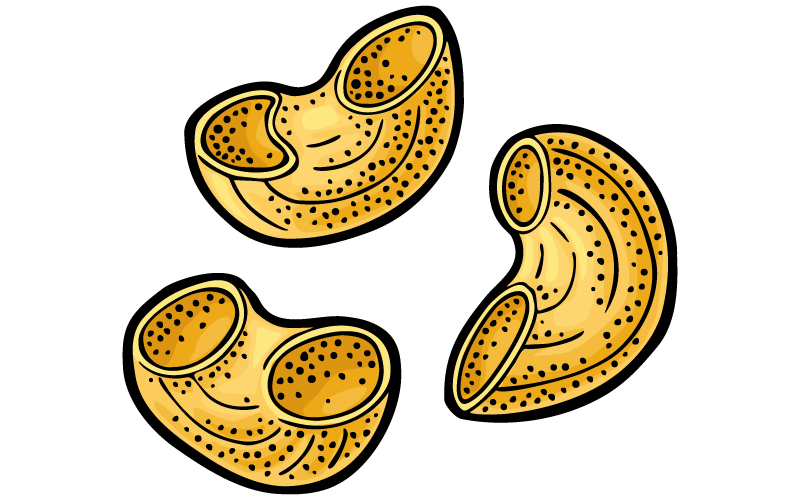
Small pasta shapes are perfect for soups and brothy dishes, adding texture and substance without overwhelming the other ingredients.
Hearty & Thin Sauces
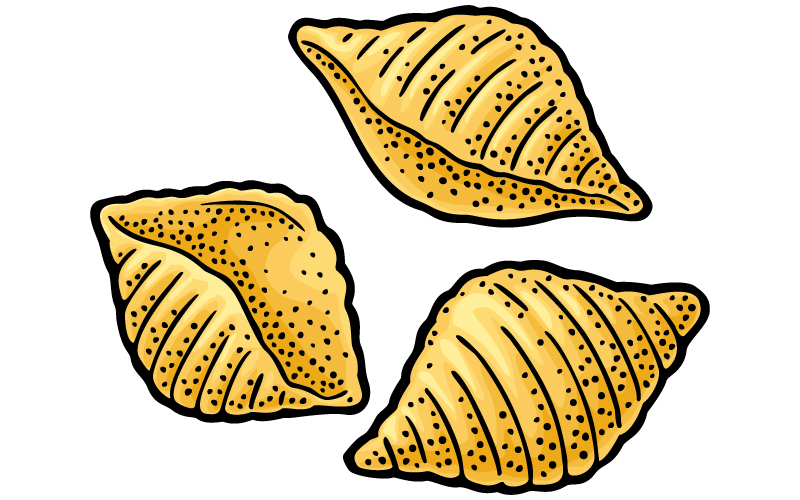
Shell-shaped pasta has curved pockets that capture thicker sauces. These versatile shapes are also popular in baked pasta dishes.
Creamy & Thick Sauces

Hollow pasta shapes come in a range of sizes and textures. Their centers catch sauce, making them excellent for rich, hearty preparations.
Heavy Sauces
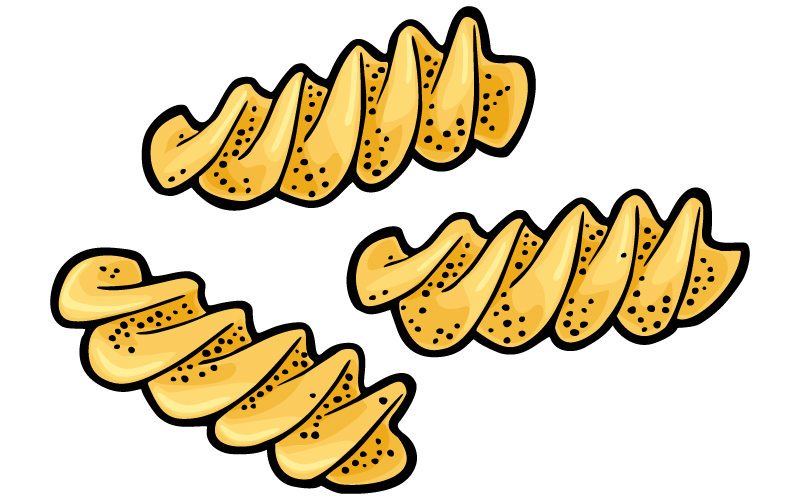
Twisted, corkscrew-shaped pasta holds onto flavor in its spirals and works especially well in baked dishes and pasta salads.
Thin Sauces
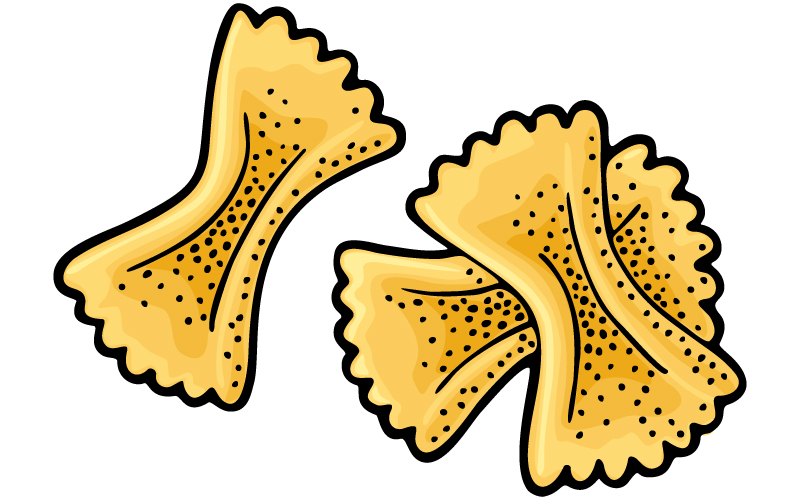
From bowties and wheels to playful twists, unique pasta shapes bring visual appeal and interesting textures to family meals.
Thin Sauces
Now that you know how different pasta cuts complement your favorite sauces, find the perfect Anna pasta to bring your next Italian meal to life.

From classic spaghetti and linguine to rigatoni, fusilli and specialty shapes, Anna offers a wide variety of pasta cuts for everyday meals and traditional Italian favorites.
Explore our selection of traditional, whole wheat and gluten-free pasta to find the right shape and texture for your favorite recipes.