
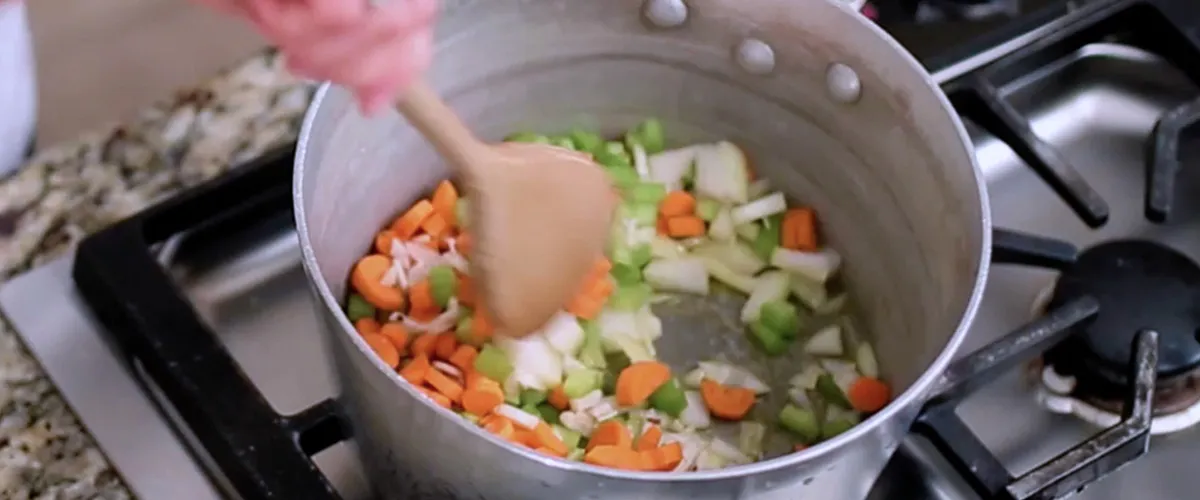

Whether you're preparing a quick weeknight dinner or cooking a full Italian feast, even small kitchen techniques can make a big difference. Chef Cento has gathered some of his favorite cooking tips, preparation shortcuts and culinary tricks from the Cento Test Kitchen to make cooking easier and more enjoyable at home.
From properly salting pasta water to preserving fresh ingredients and mastering simple cooking techniques, these helpful tips are designed for cooks of every skill level. With quality ingredients and a few reliable kitchen tricks, everyday meals can become something memorable.
Simple techniques and helpful habits that can make everyday cooking easier, more efficient and more flavorful.
If you struggle opening cans, try rotating the pull tab after lifting it. Turning the tab upward creates extra leverage and helps remove the lid more easily.
Before adding ingredients to a pan, test the oil temperature with a small piece of food or breadcrumb. If it gently sizzles immediately, the pan is ready for cooking.
Giving ingredients enough space in the pan allows heat to circulate properly and helps food brown evenly. Overcrowding traps steam and can prevent proper searing.
Keeping a lid on your pan during cooking helps retain heat and moisture, which can reduce cooking time and improve consistency.
Properly salted water enhances the flavor of pasta from the inside out. A good general guideline is about 2 teaspoons of salt per quart of water.
Salt helps bring out natural flavors in food. Cooking with kosher salt allows for better control and more even seasoning throughout the cooking process.
Helpful substitutions, storage advice and simple techniques to keep your ingredients fresh and flavorful.
If you don't have shallots on hand, combine onions with a small amount of garlic to create a similar flavor profile in sauces and sautés.
To help prevent sliced apples from browning, soak them briefly in cold water with a small amount of salt before serving.
Fresh herbs last longer when stored in the refrigerator wrapped lightly in a damp paper towel inside a resealable container or bag.
Heat and humidity can quickly reduce the flavor and aroma of spices. Store spices in a cool, dry cabinet away from the stove for maximum freshness.
Leafy greens and vegetables can often be refreshed by soaking them in ice water for several minutes before serving.
Clever techniques and simple preparation shortcuts to make working with everyday ingredients easier.
To easily peel fresh tomatoes, score a small X on the bottom of each tomato. Place them in boiling water for about 30 to 60 seconds, then transfer immediately to an ice-water bath. Once cooled, the skins should slip off easily.
Turn leftover bread into homemade croutons by cutting it into cubes and tossing with olive oil, garlic, herbs and seasonings. Bake at 375°F for about 10 to 15 minutes, tossing halfway through, until golden and crisp.
Warm drained olives in the oven with olive oil, garlic, fresh rosemary and lemon zest. Roast at 375°F for about 10 to 15 minutes, just until warmed through and fragrant. Serve as an appetizer or add to an antipasto spread.
Opening a new tube of tomato paste or garlic paste? Unscrew the cap and look for the pointed tip on its underside. Press the tip through the protective seal, then replace the cap after each use.
Olive oil can replace butter in many savory recipes, including sautéed vegetables, roasted dishes and sauces. In baking, try using approximately 3 tablespoons of olive oil for every 4 tablespoons of butter, adjusting as needed for the recipe.
Small techniques that make a big difference when preparing your favorite Italian dishes, from perfectly cooked pasta to flavorful sauces and finishing touches.
Before draining pasta, reserve about one cup of the cooking water. The starch released by the pasta helps sauces cling to each piece and creates a smoother, silkier consistency.
Add a splash of the reserved water to your sauce as needed while tossing everything together.
For better flavor and texture, transfer your pasta directly into the sauce while it is still slightly undercooked.
Toss together over low to medium heat for the final minute or two of cooking, adding a splash of reserved pasta water if needed. This helps the pasta absorb the sauce and brings the dish together.
Taste your sauces, soups and other dishes throughout the cooking process rather than waiting until the end.
Adjust salt, pepper, herbs and acidity gradually to develop a balanced flavor. Small adjustments made along the way can make a noticeable difference in the finished dish.
Freshly grated Parmesan, Pecorino Romano and other hard Italian cheeses offer excellent flavor and texture.
Grating cheese just before serving also helps it incorporate smoothly into warm pasta and sauces. For the best results, use a fine grater or microplane.
Simple ways to check freshness, store ingredients properly and make the most of what you have in your kitchen.
Place an egg in a bowl of cold water. A very fresh egg generally sinks and lies flat, while an older egg may stand upright or float as its air cell grows.
The float test indicates approximate age, not food safety. Always keep eggs refrigerated, check for damage and follow recommended storage dates.
Store lettuce in the refrigerator with a paper towel to absorb excess moisture. Place it in a loosely closed container or produce bag to help preserve its crisp texture.
Keep lettuce away from produce such as apples and bananas, which release ethylene gas that can accelerate deterioration.
Don't let leftover tomato paste go to waste. Portion unused paste into tablespoon-sized amounts and freeze on a lined tray or in an ice cube tray.
Once frozen, transfer the portions into a freezer-safe container or resealable bag. Add the frozen paste directly to soups, sauces and stews whenever you need a little extra tomato flavor.
Ready to put Chef Cento's tips into practice? Explore our collection of authentic Italian recipes, from comforting classics to everyday favorites. Find inspiration for your next meal and bring a little more Italian tradition to your table.
Explore Our Recipes
Packaging, nutrition facts and ingredient statements are
subject to change. For the most up to date information
regarding a product, please refer to the product’s packaging.